
Auditorium Giovanni Arvedi - Opening
05/09/2013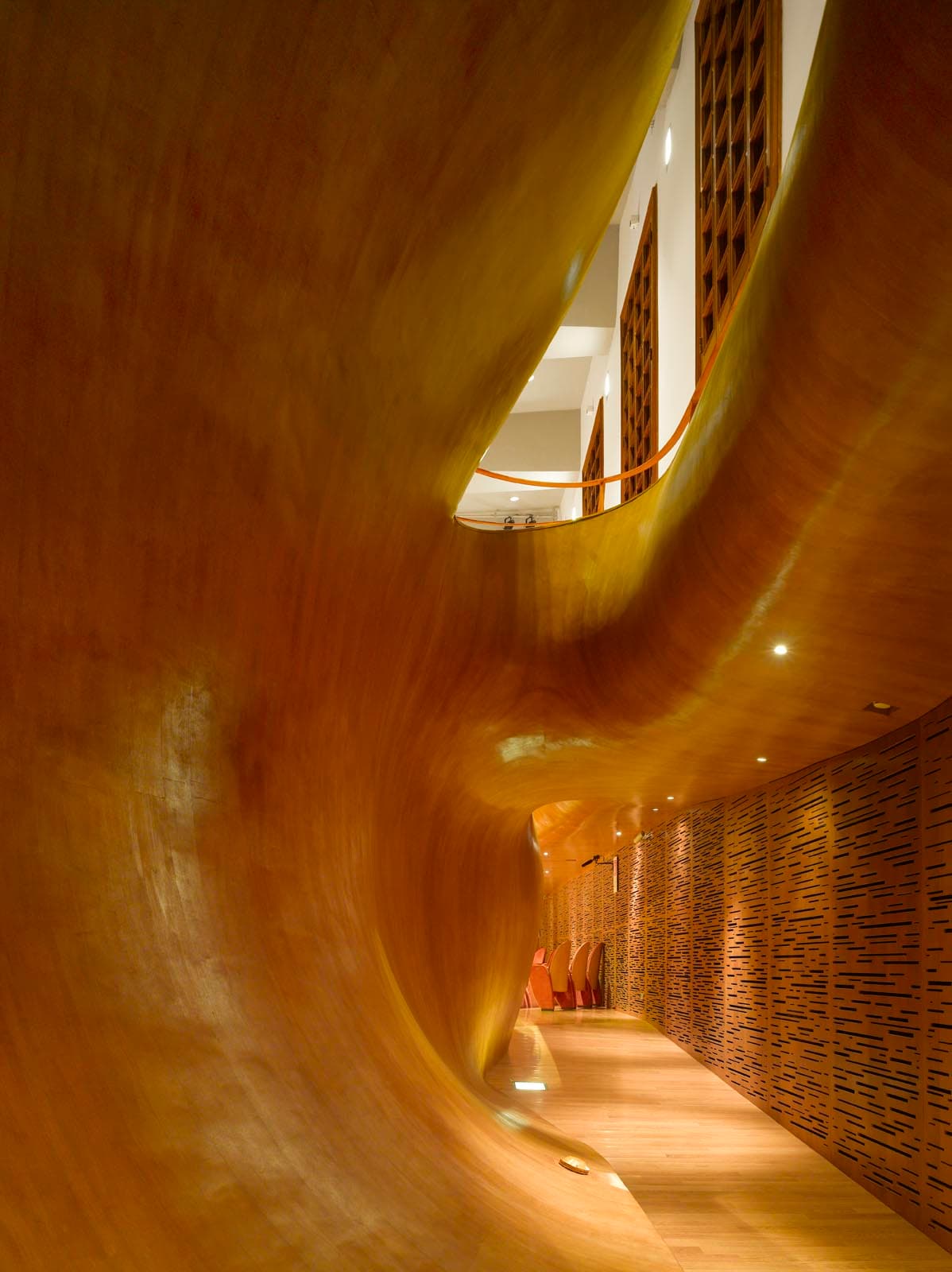
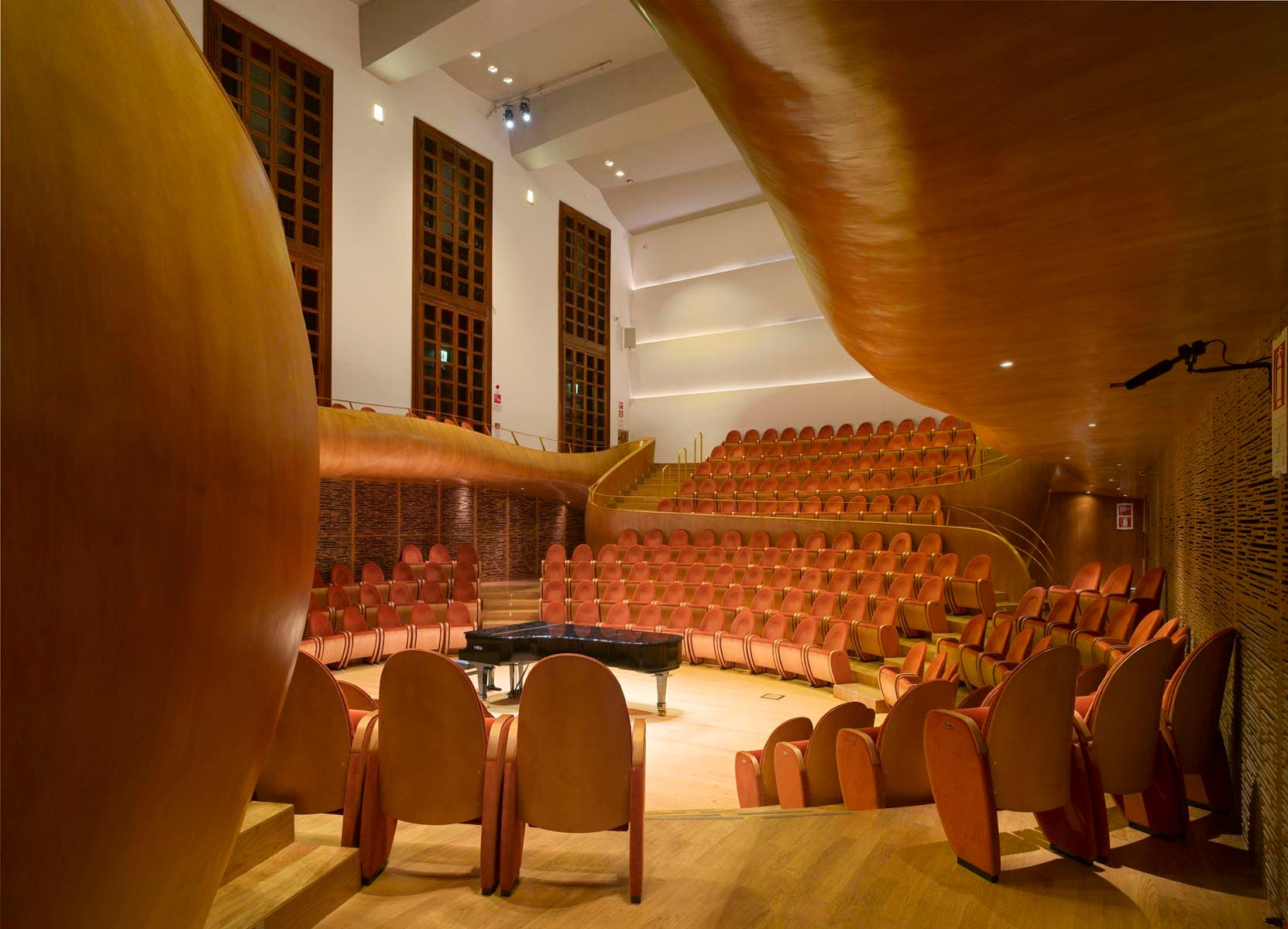
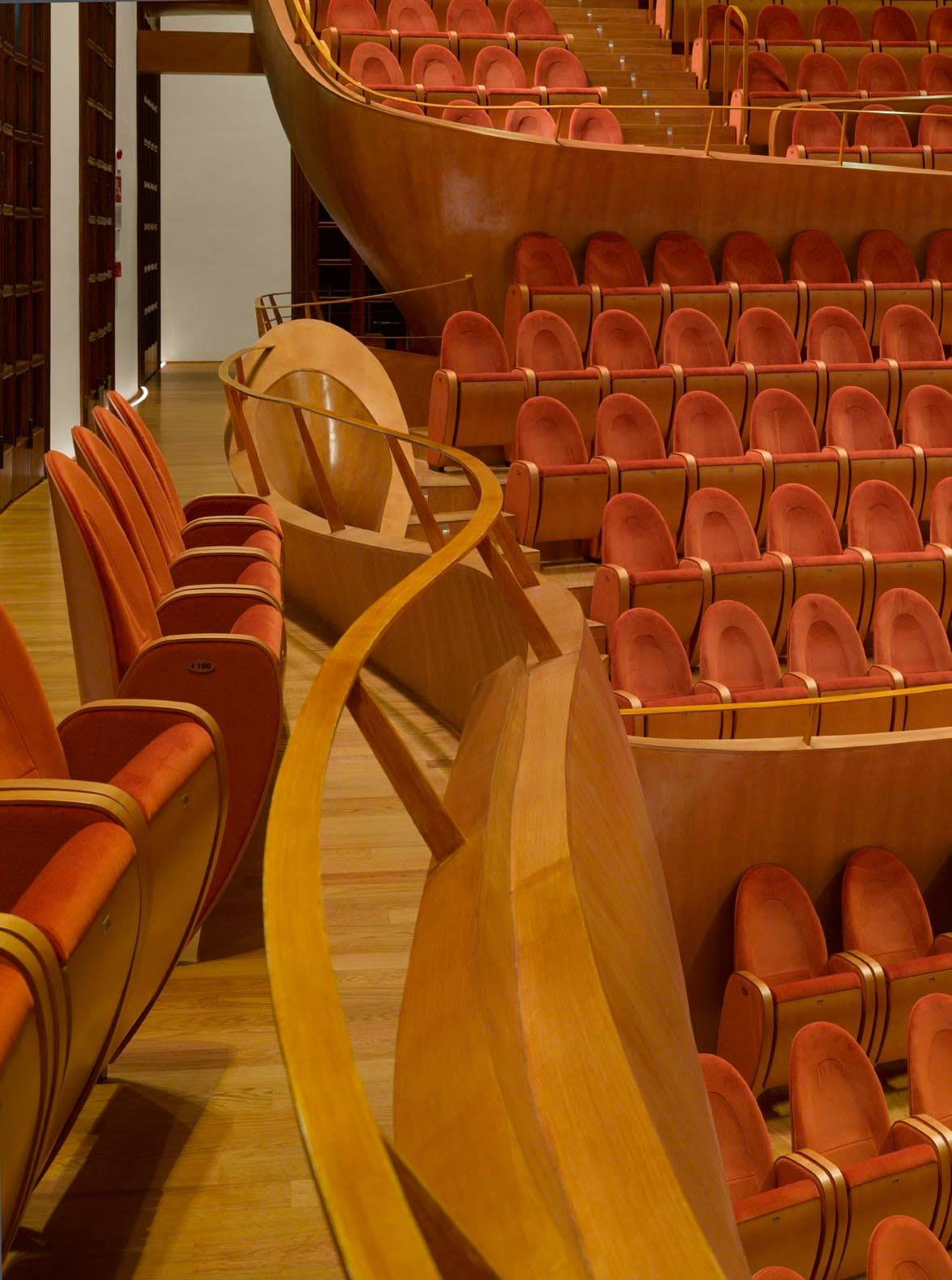
The Giovanni Arvedi Auditorium is a masterpiece of acoustic engineering with 464 seats. The new hall was created within the original Salone delle Adunate of the Palazzo dell’Arte.
The acoustic design was carried out by engineer Yasuhisa Toyota of Nagata Acoustics, one of the world’s leading experts in the field and former project leader of over 50 concert halls worldwide, including the Mariinsky Theatre Concert Hall in Saint Petersburg and the Walt Disney Concert Hall in Los Angeles.
The original dimensions of the hall were 36 meters in length, 14 meters in width, and 10 meters in height. Analyses conducted by Nagata Acoustics revealed the need to increase the free section of the hall to improve its sound performance. It was therefore decided to lower the stage by excavating beneath the existing floor. The deep foundation, 3.5 meters below the current floor level, made this operation possible. This intervention resulted in a ceiling height of 14 meters above the stage, contributing to an acoustic quality so refined that the hall can also be used as a recording venue.
Architectural choices are in dialogue with the acoustic project: movable acoustic curtains behind the historic glass doors create variable absorbing surfaces according to the needs; on the sides of the stage, other movable acoustic curtains are concealed by wooden paneling with 50% open surface. A 60 cm-high cavity functions as a resonance chamber beneath the central stage, constructed from a special wood, Alaska yellow cedar. The ceiling was shaped with rounded forms and lines to optimize sound diffusion, combined with the requirement to have a mass of 100 kg per square meter of surface.
These measures contributed to achieving a sound reverberation time of 1.5 seconds in an empty hall and 1.4 seconds when occupied. To maintain the use of natural light while insulating from external noise, the original openings were equipped with double windows with high-performance acoustic glass. The level of acoustics achieved is so advanced that live recordings of concerts performed in the hall are possible, establishing Cremona and its musical tradition as an example of international excellence.
