Auditorium Giovanni Arvedi
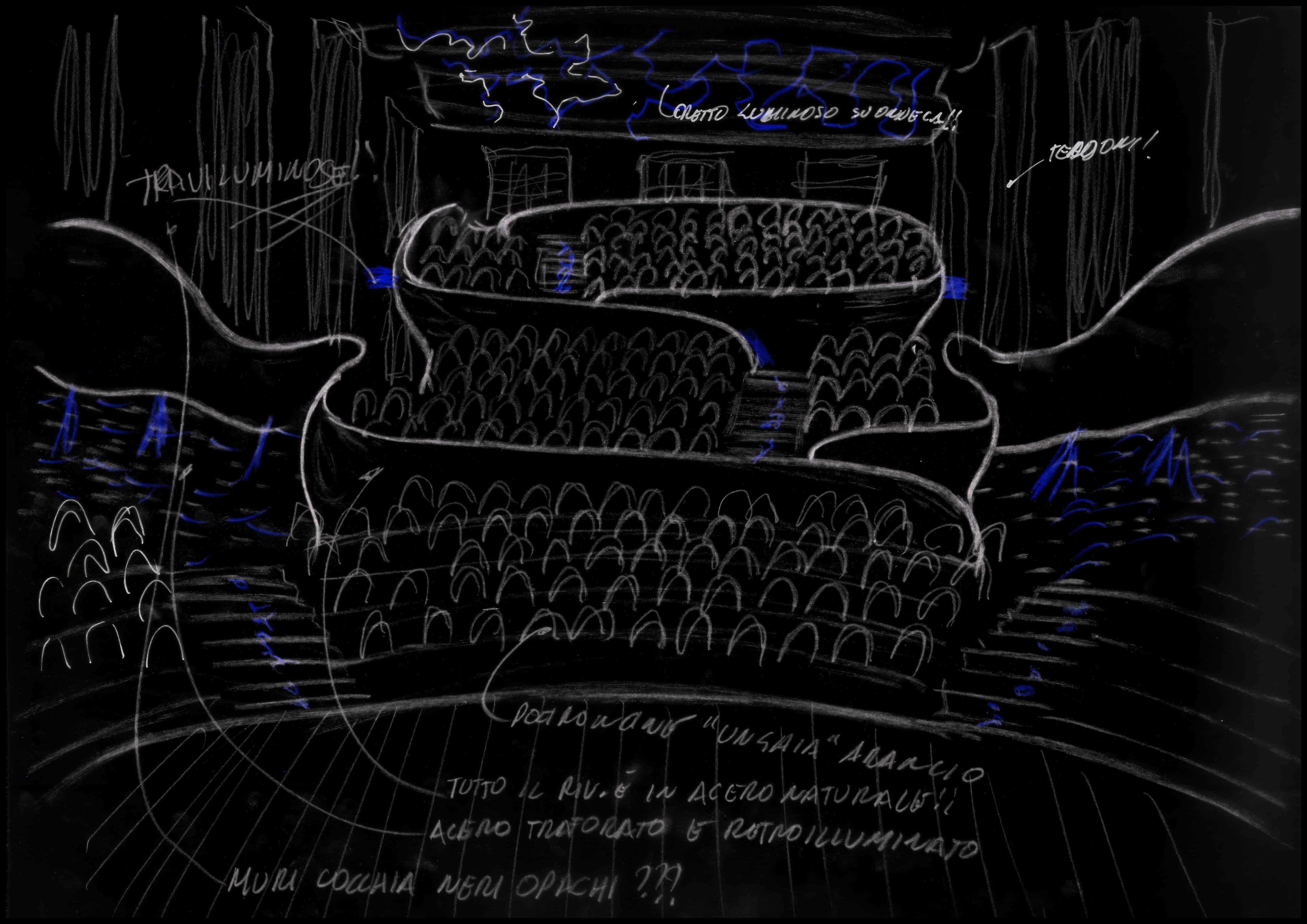
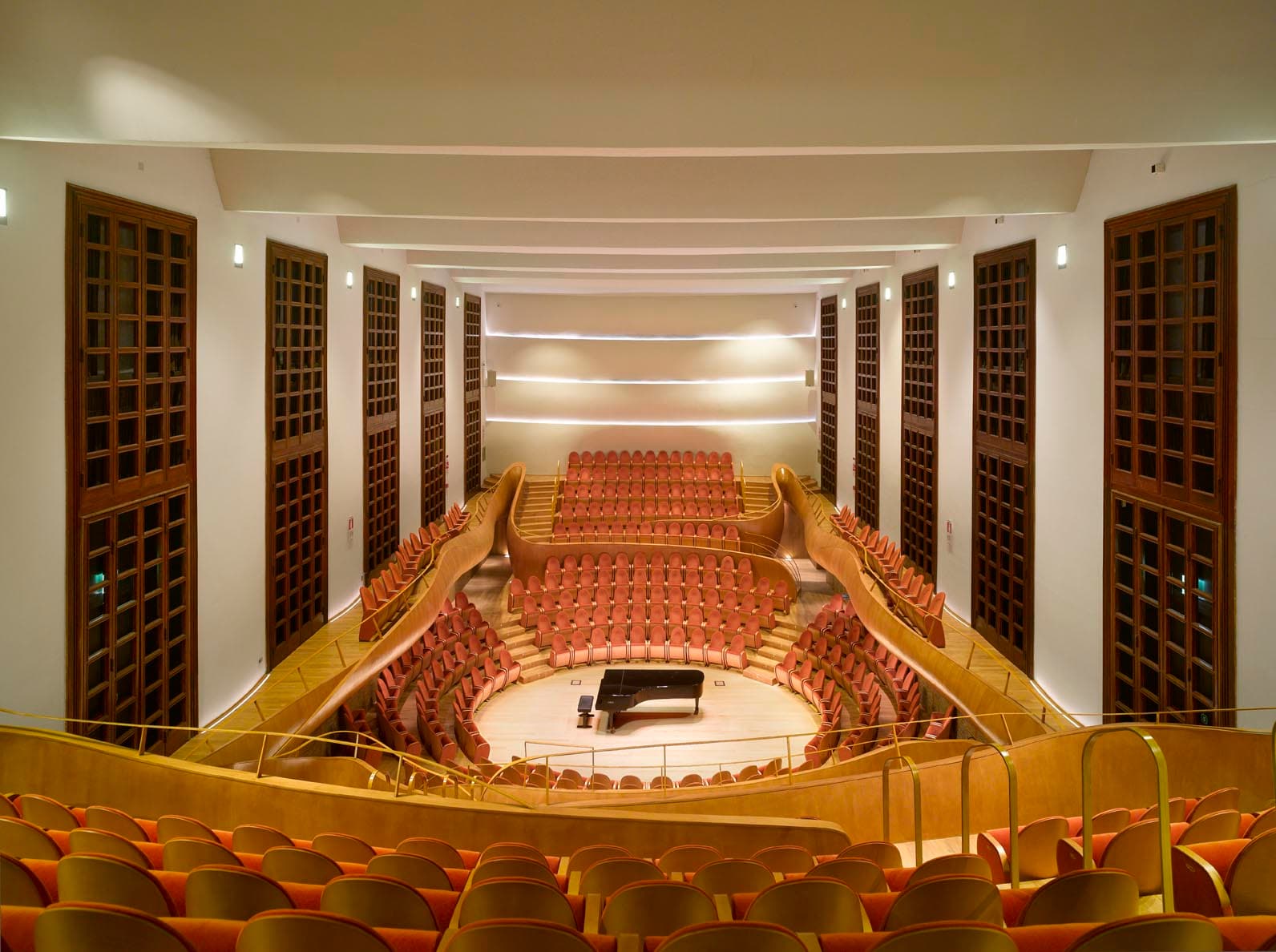
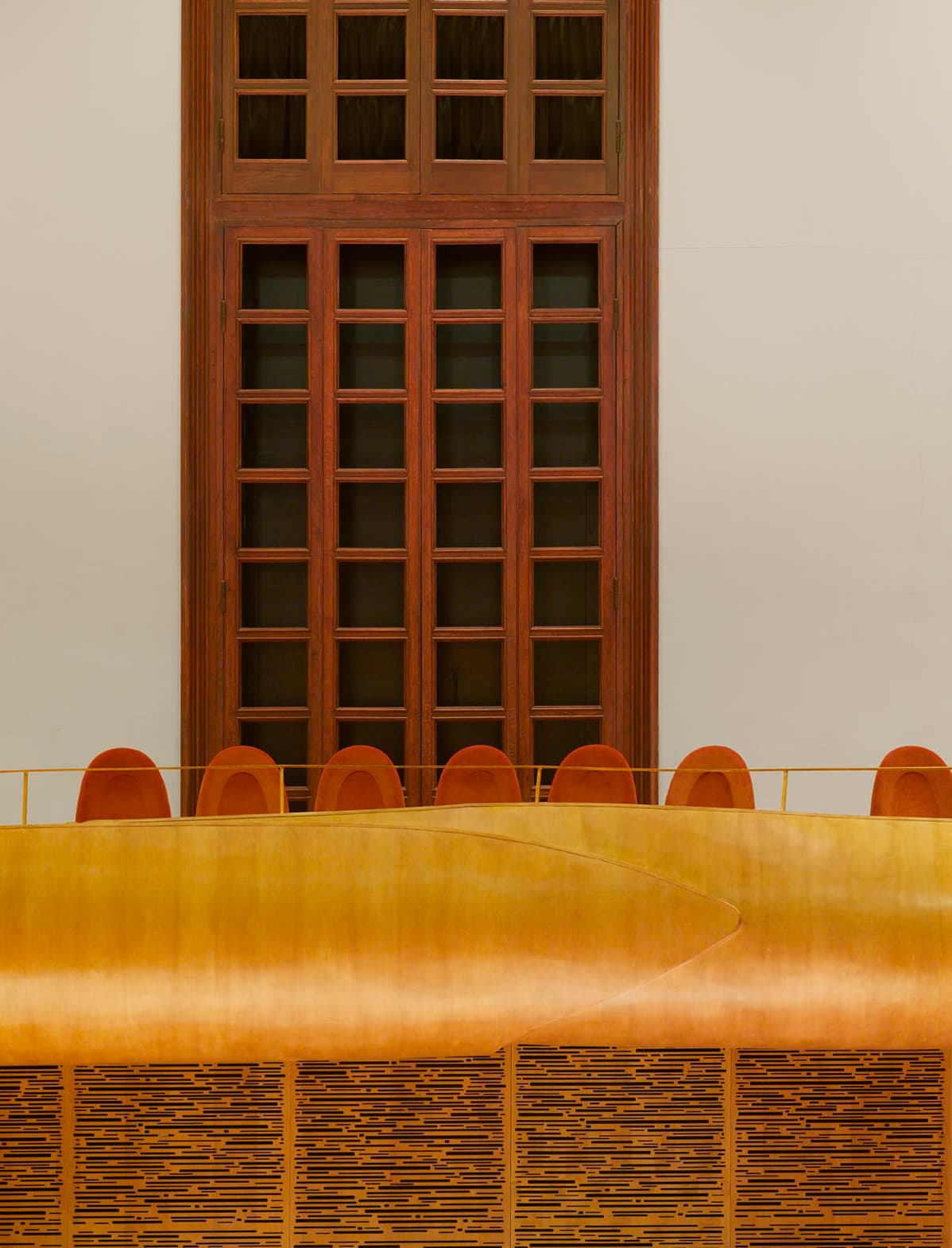
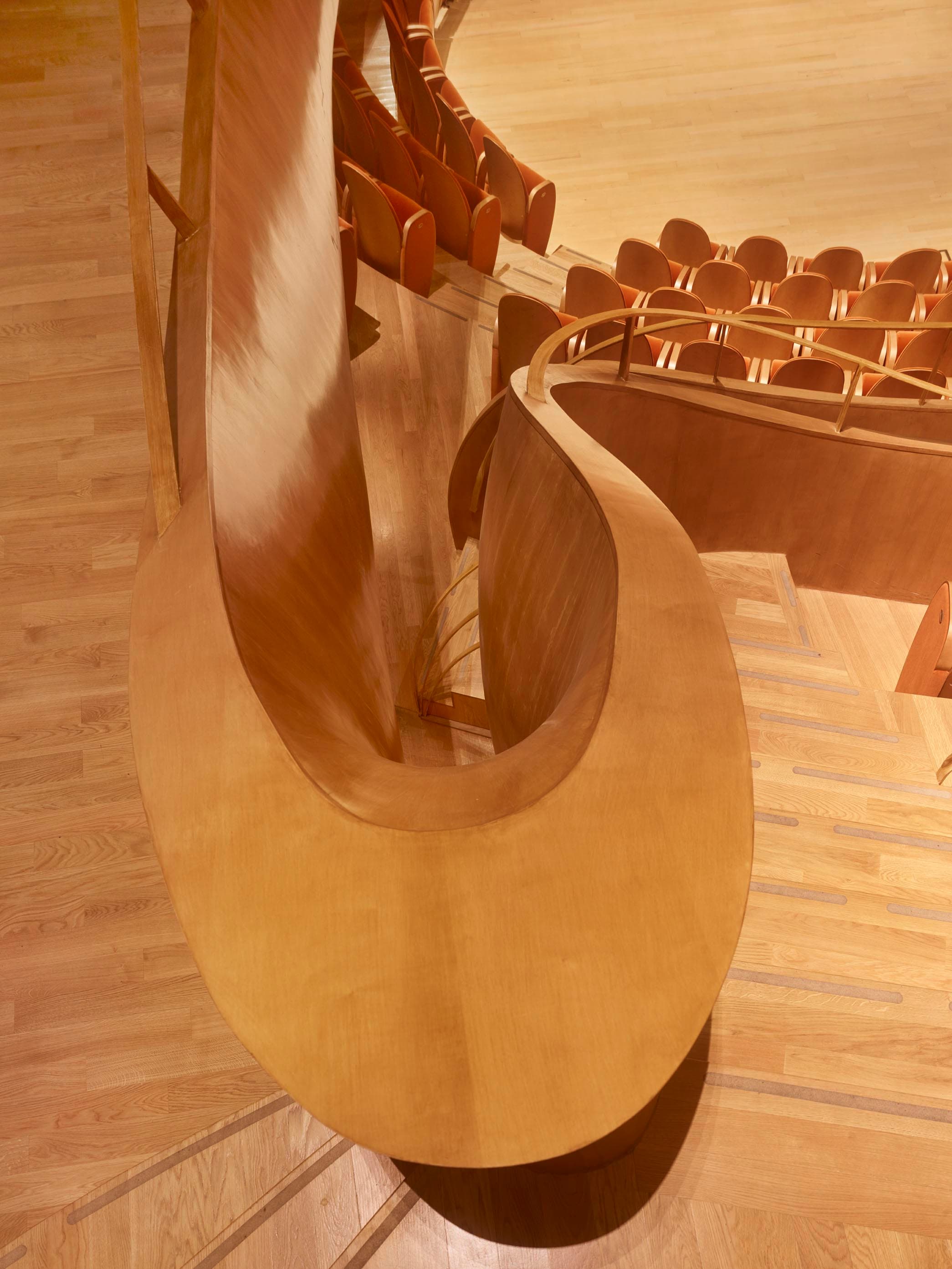
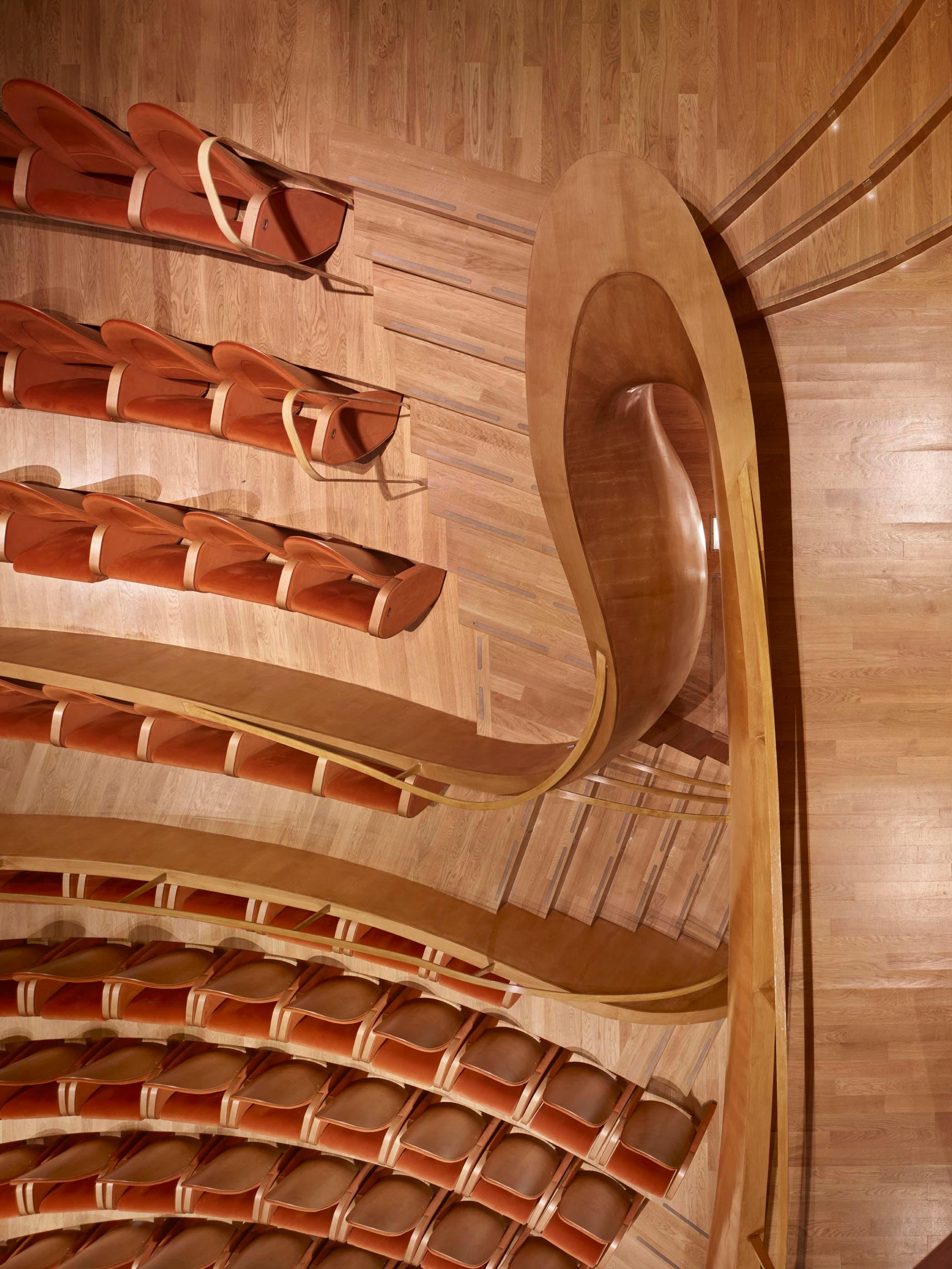
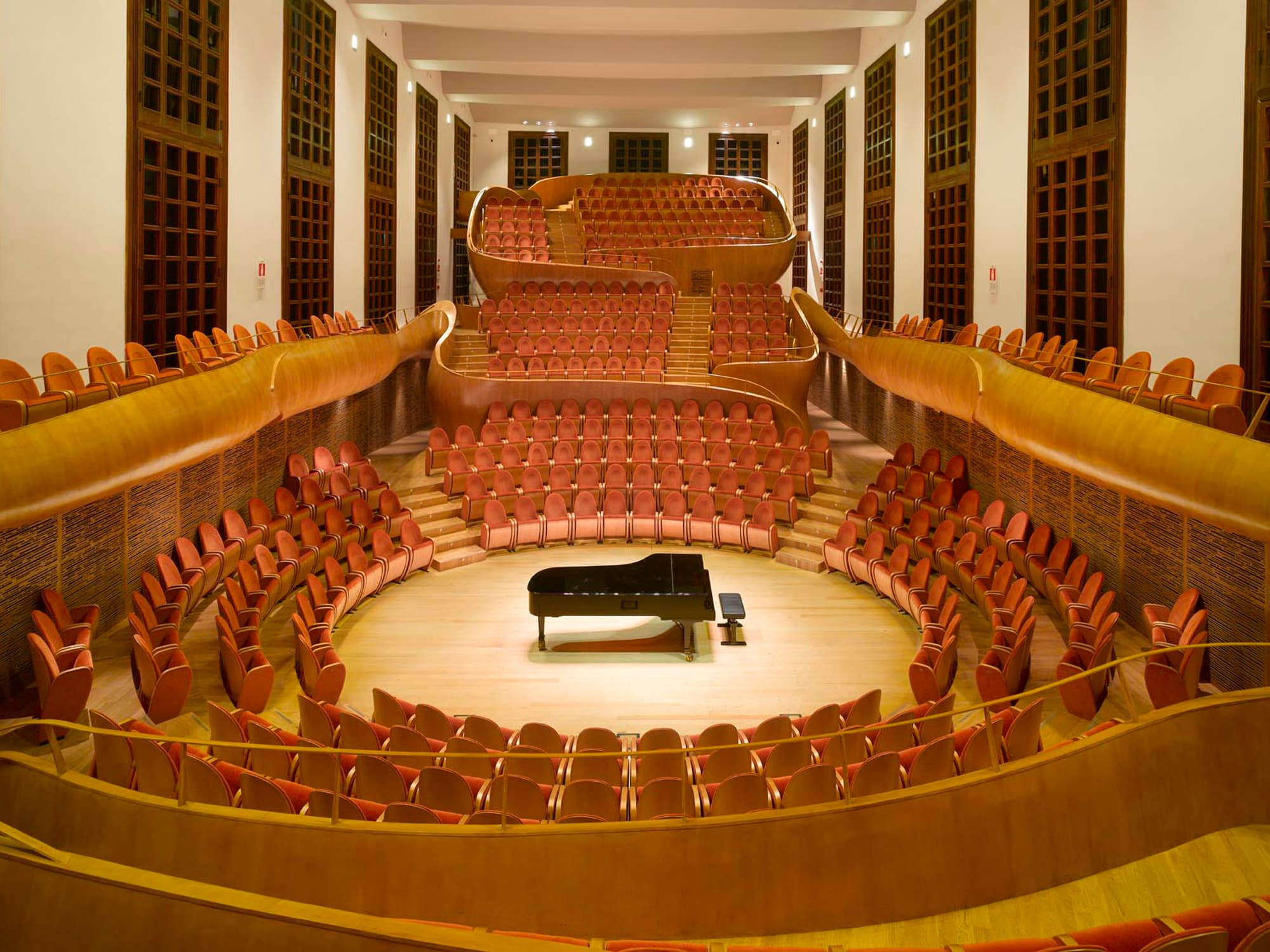
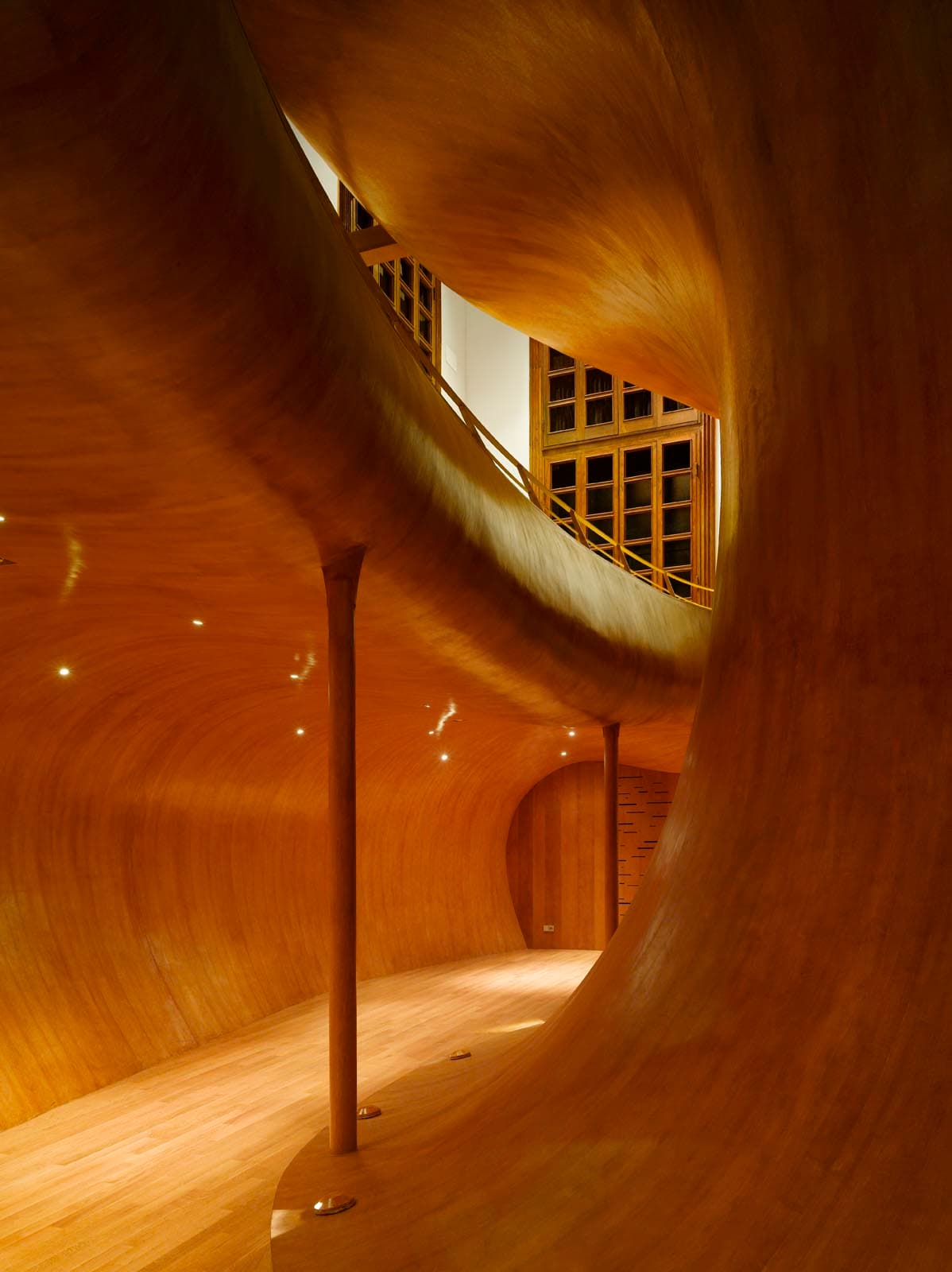
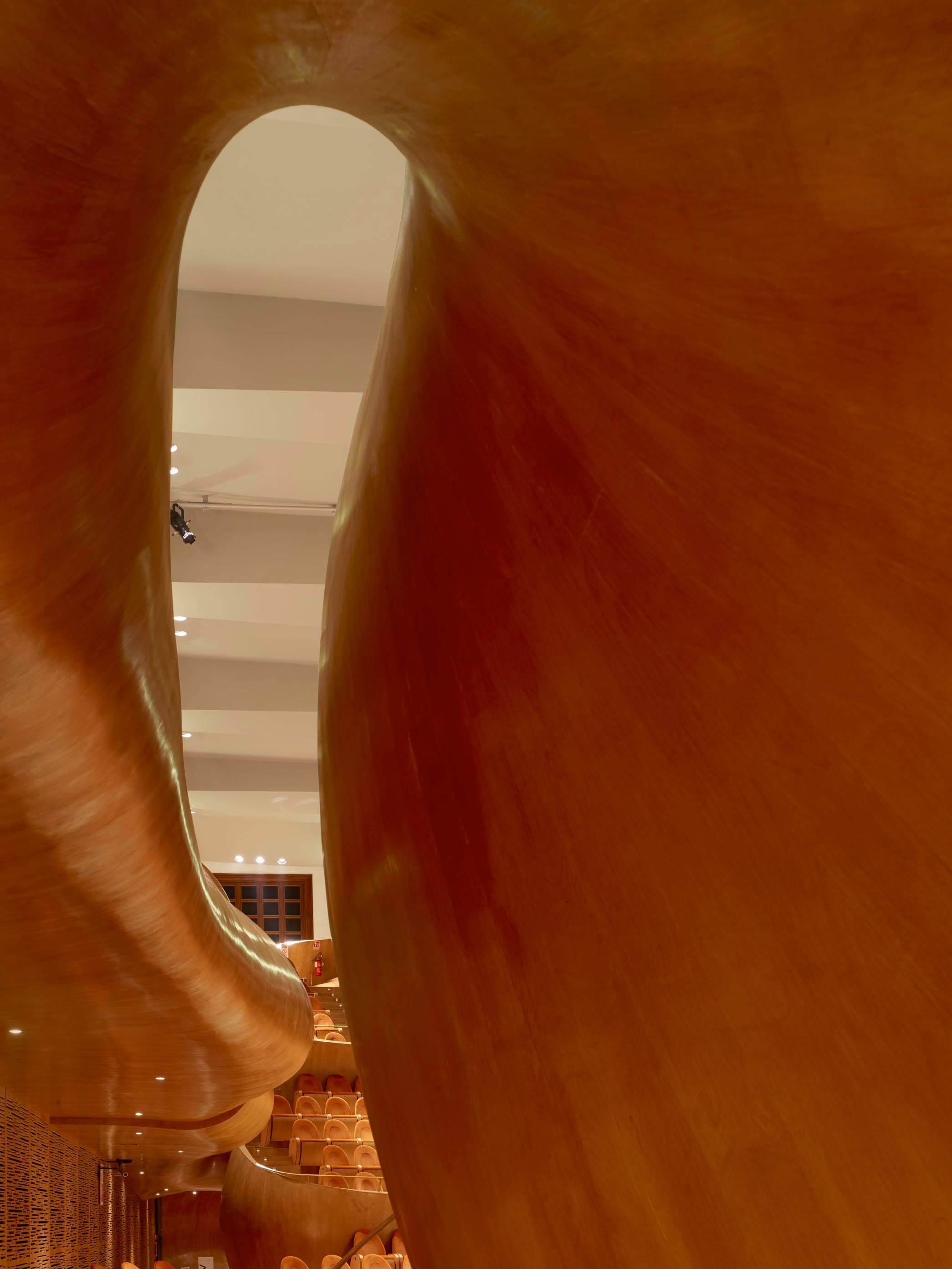
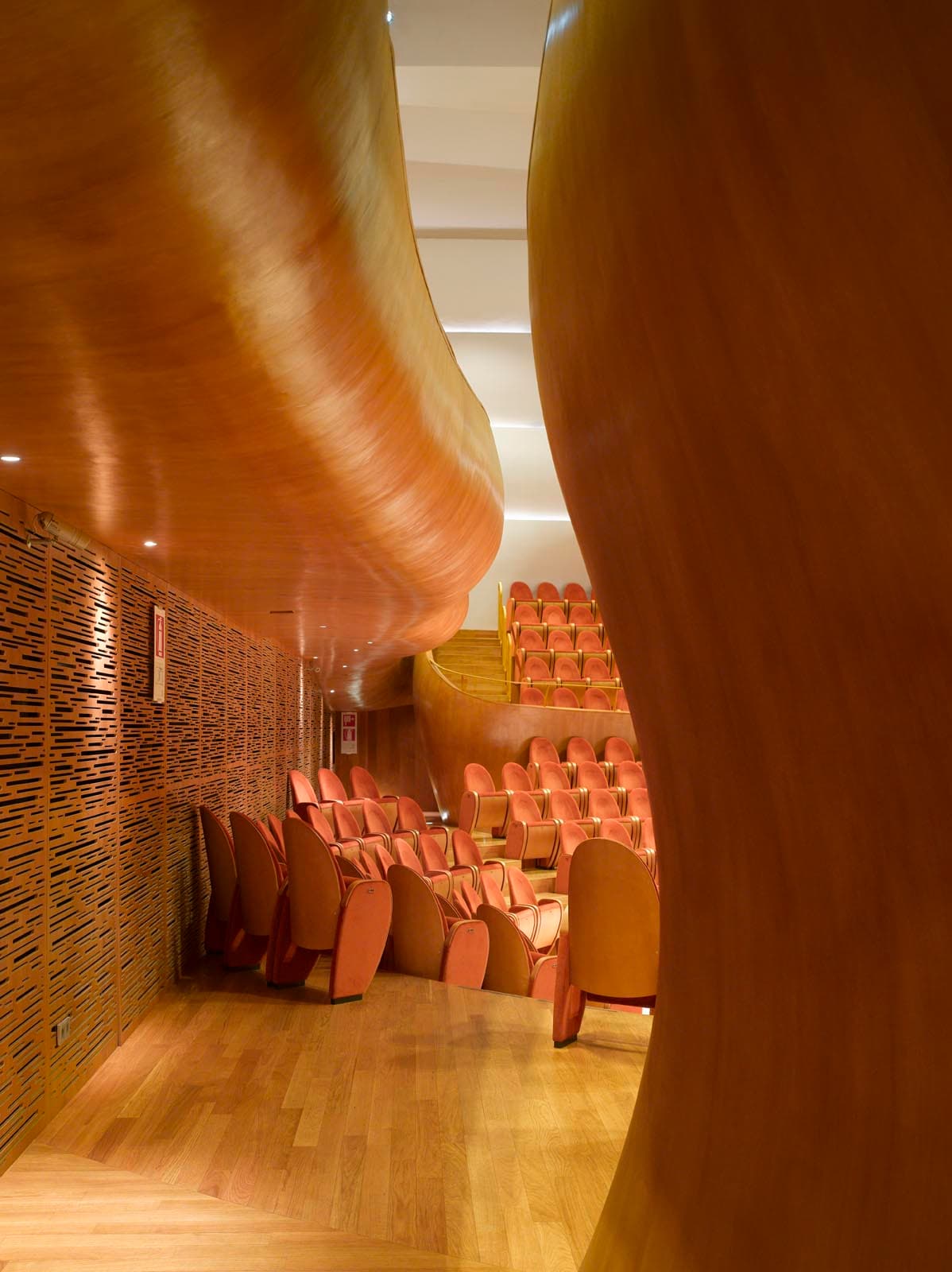
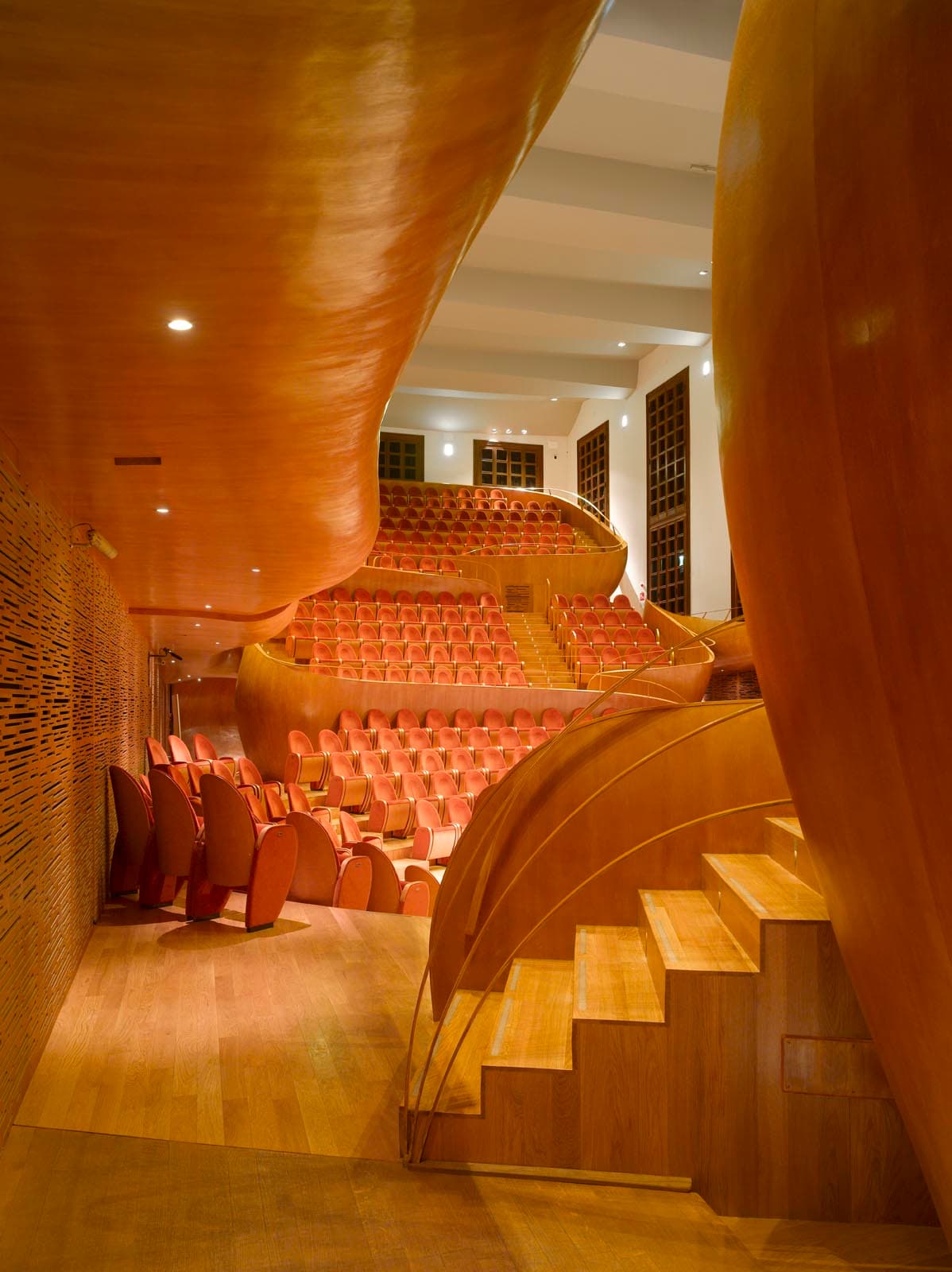
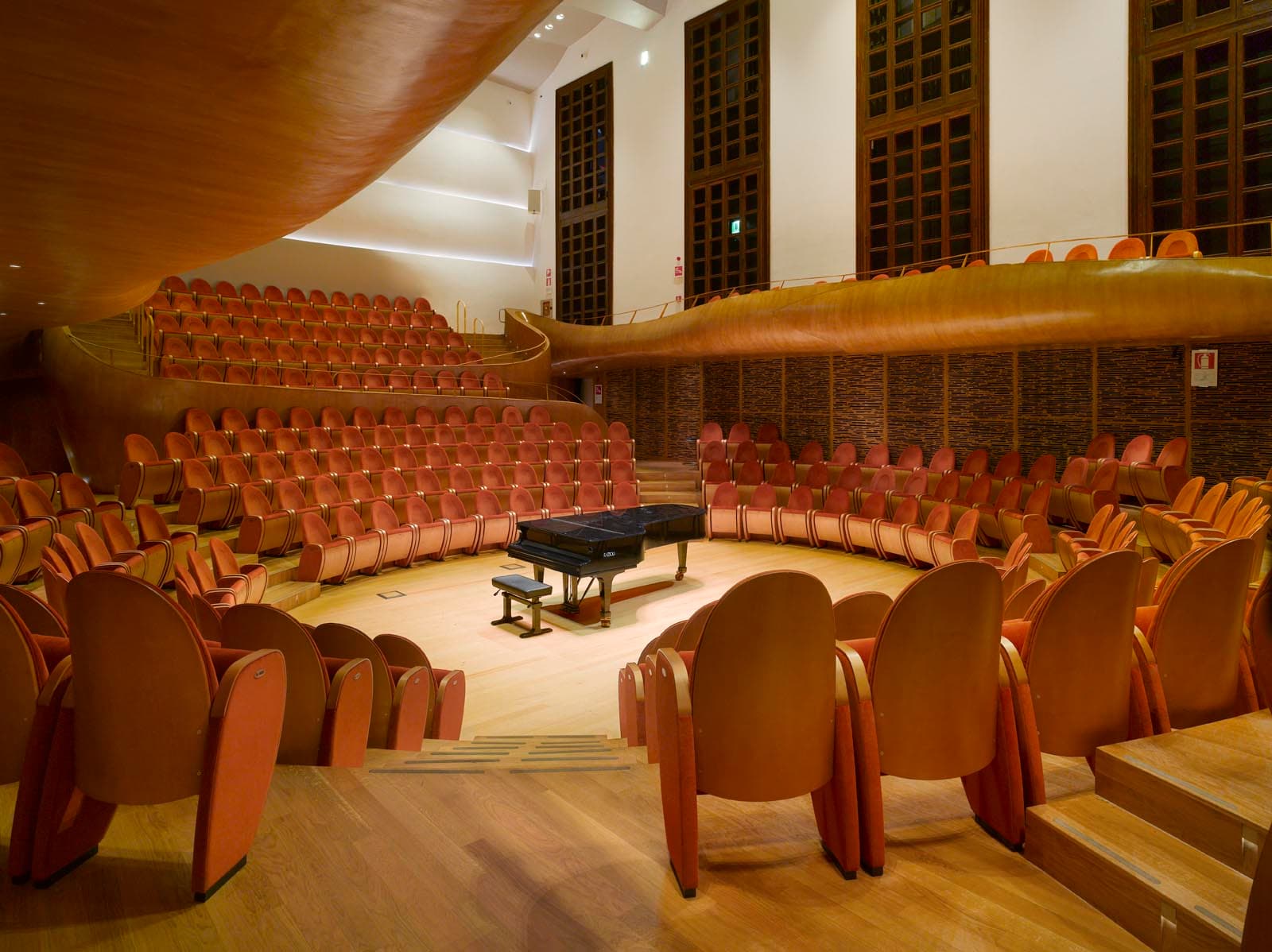
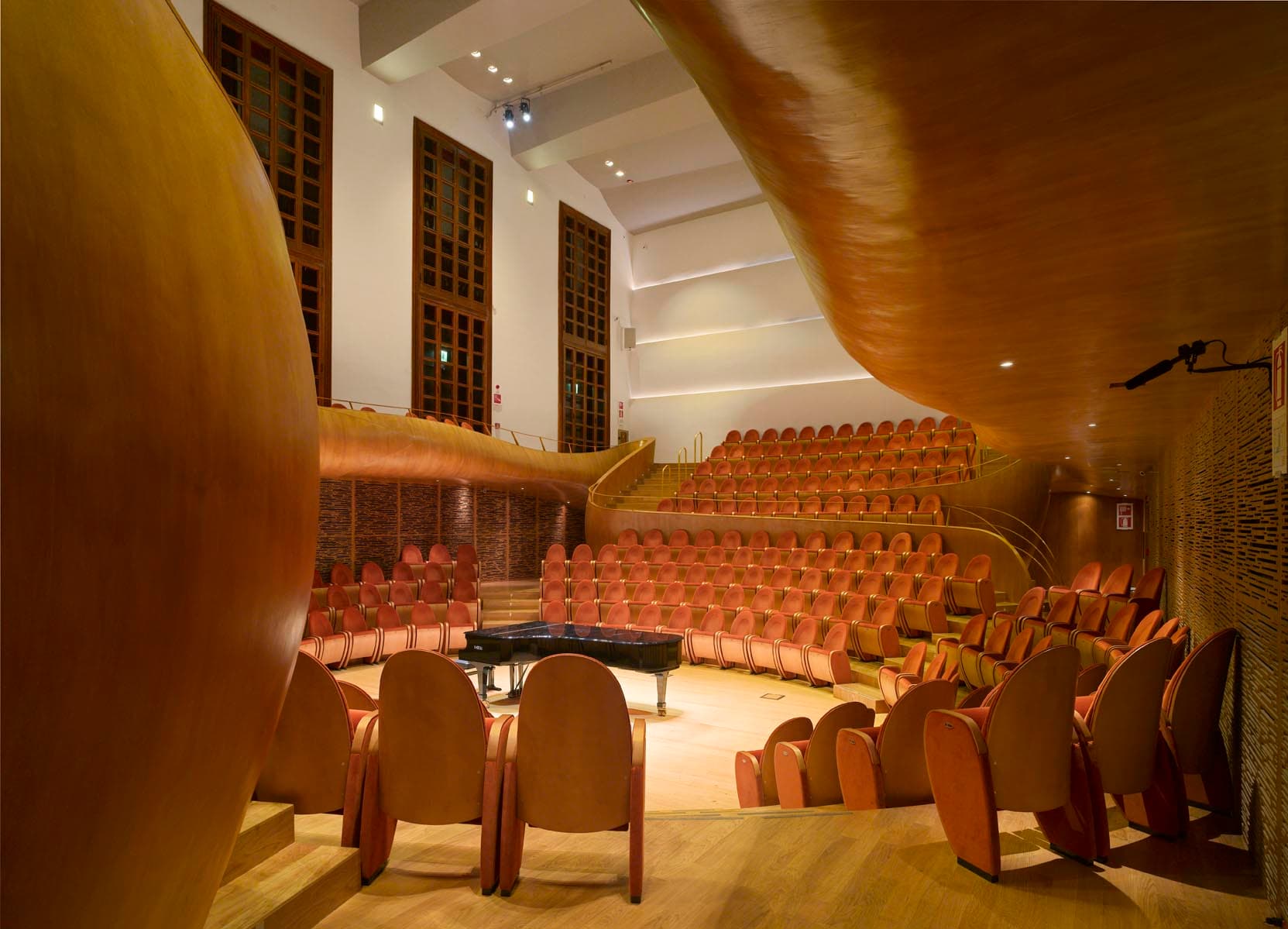
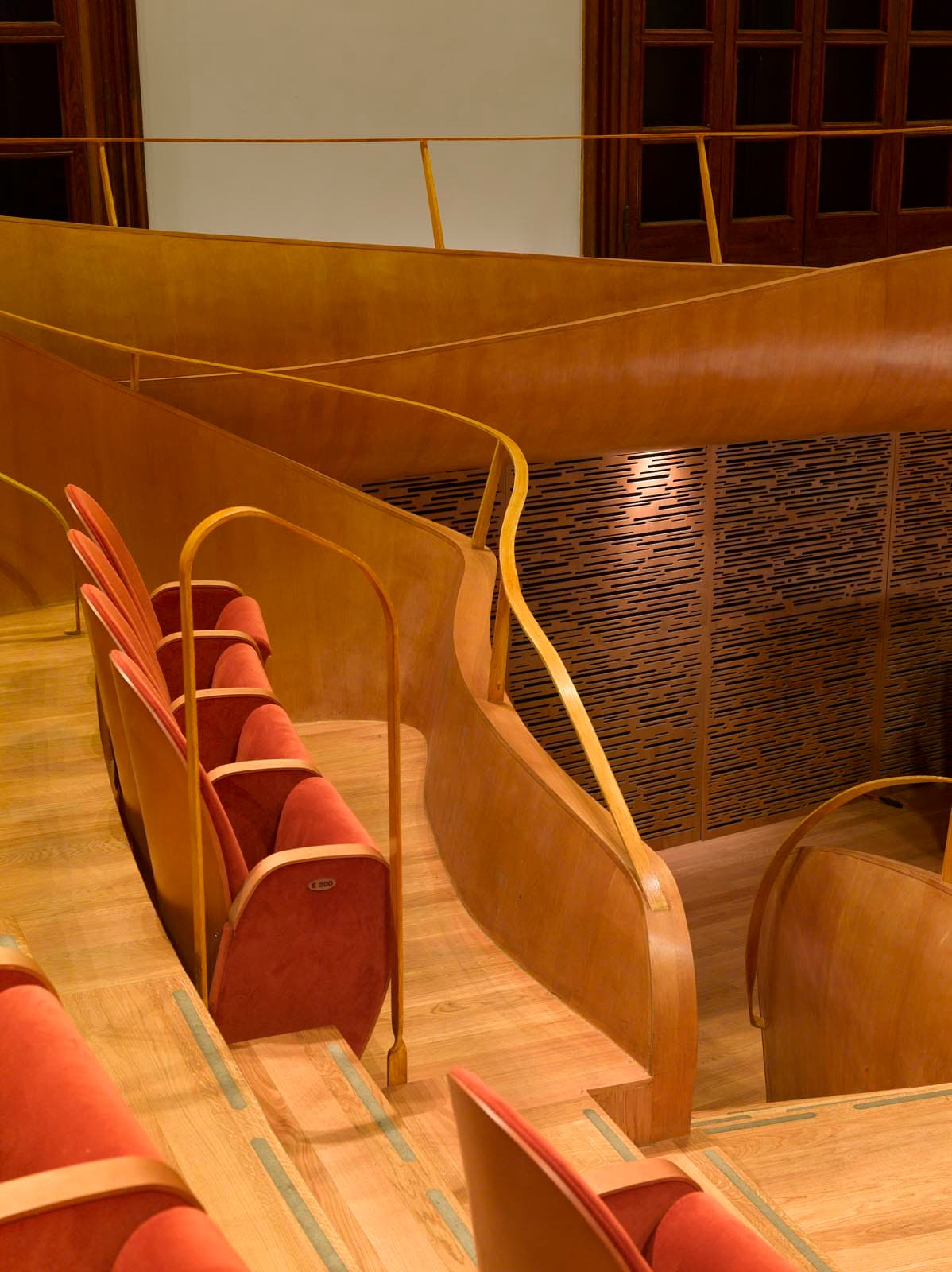
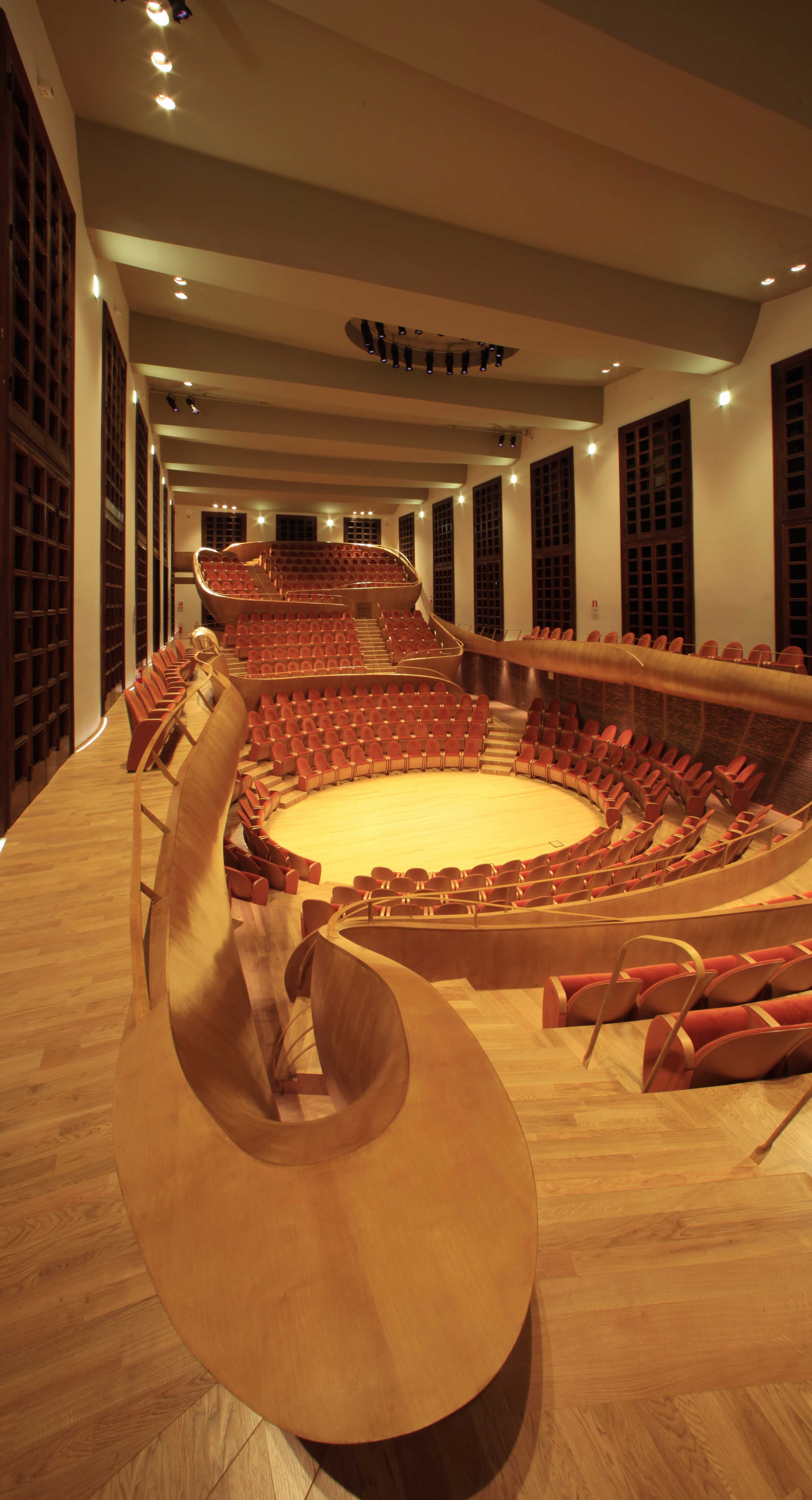
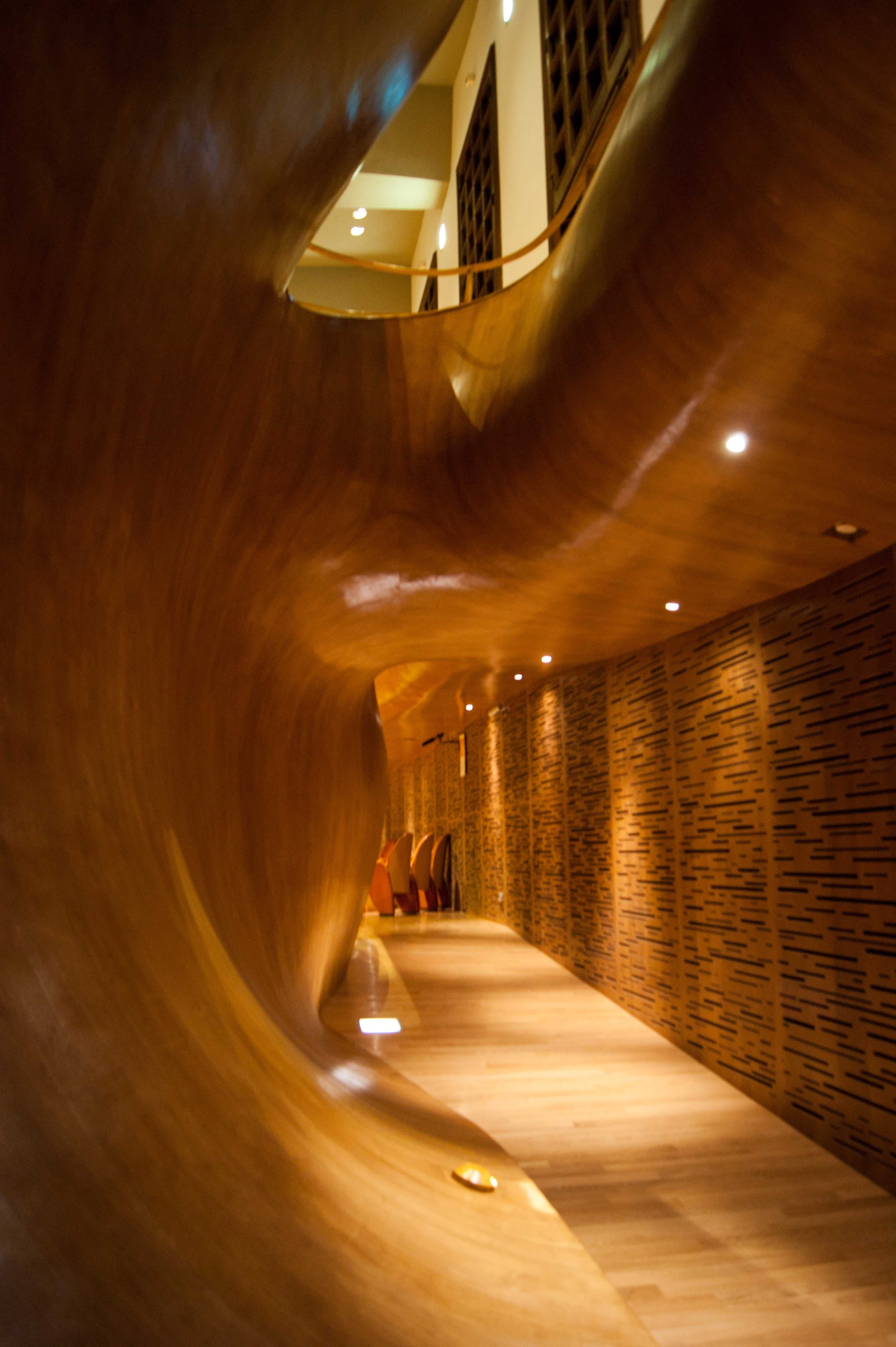
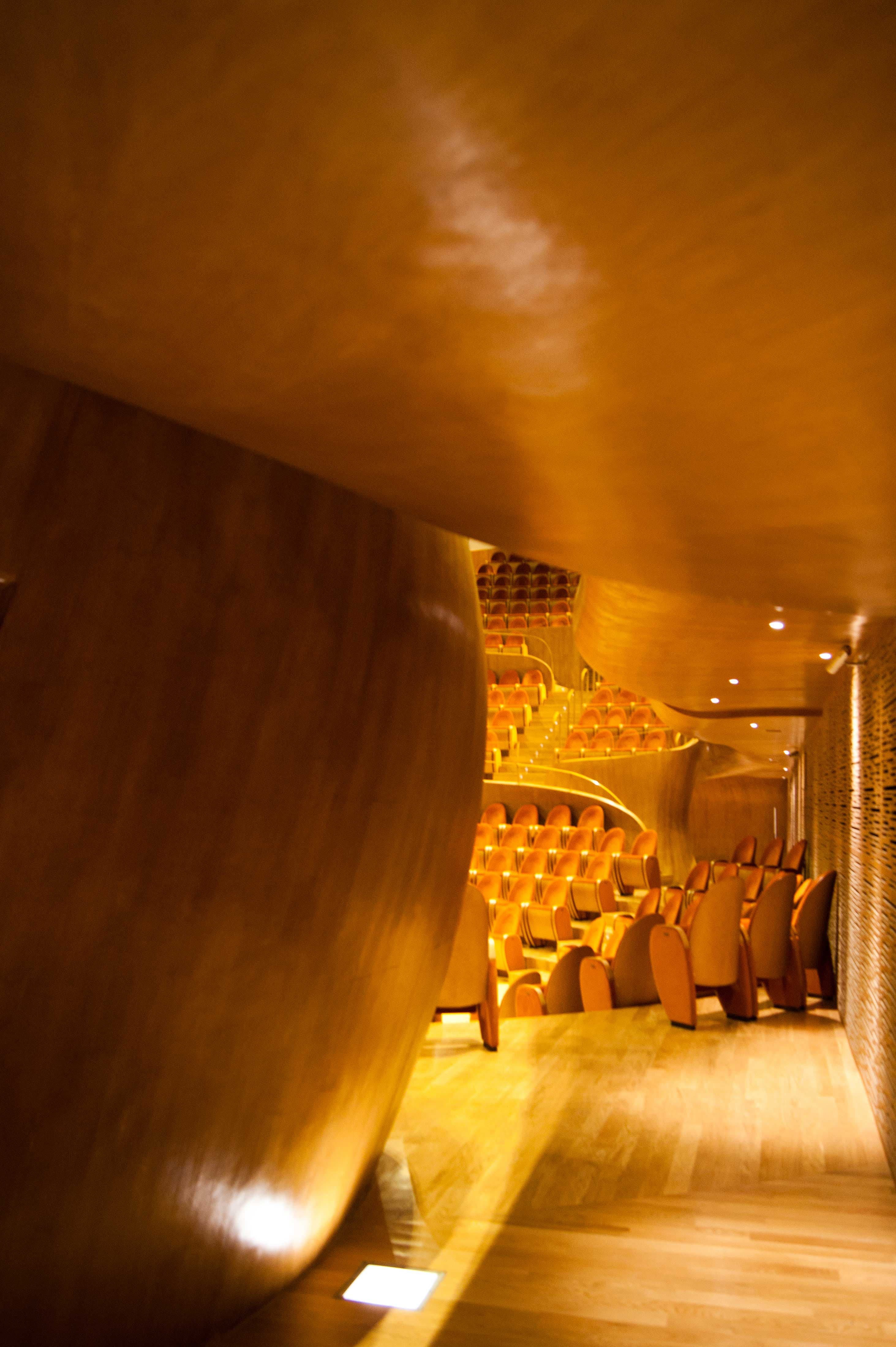
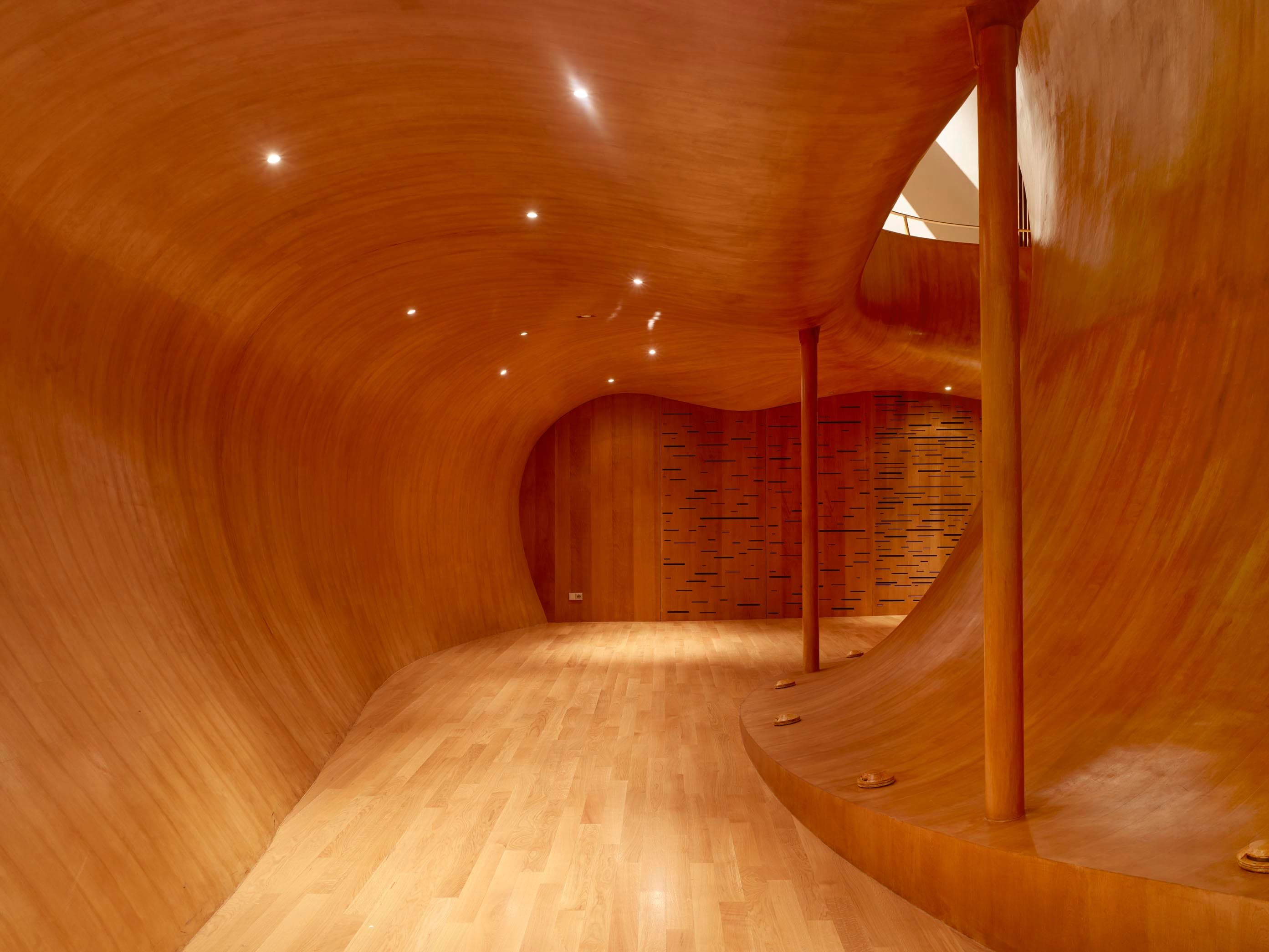
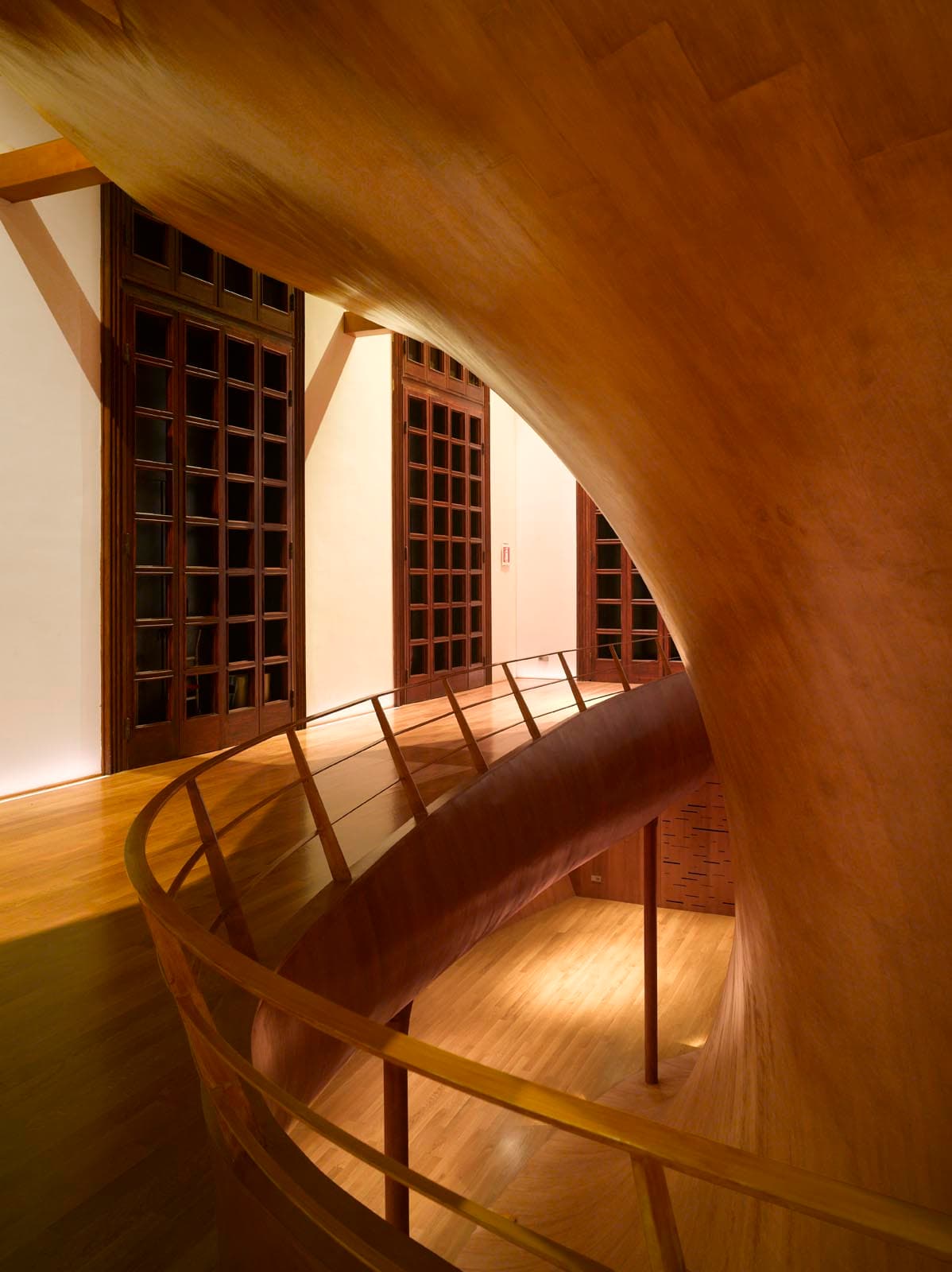
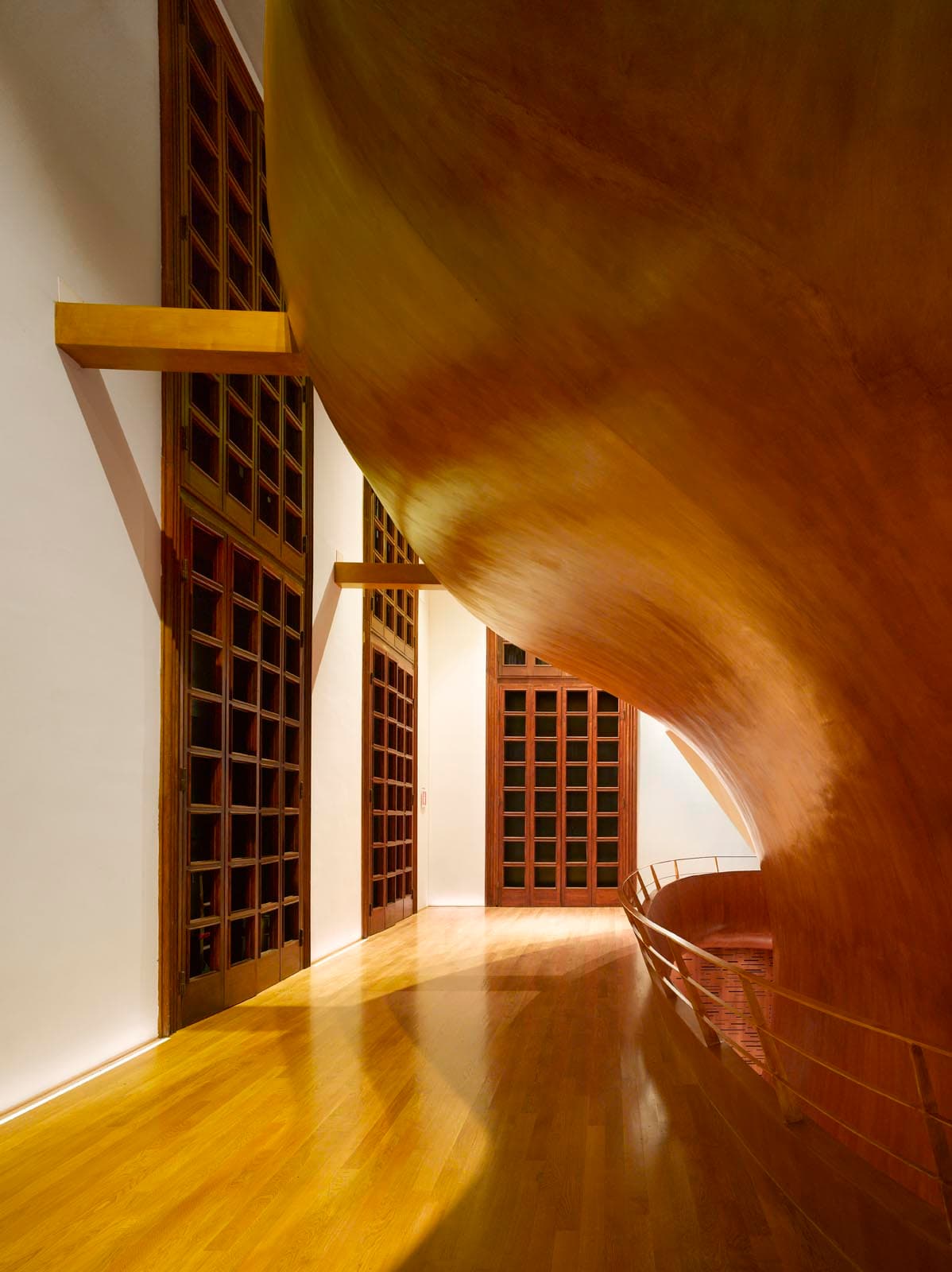
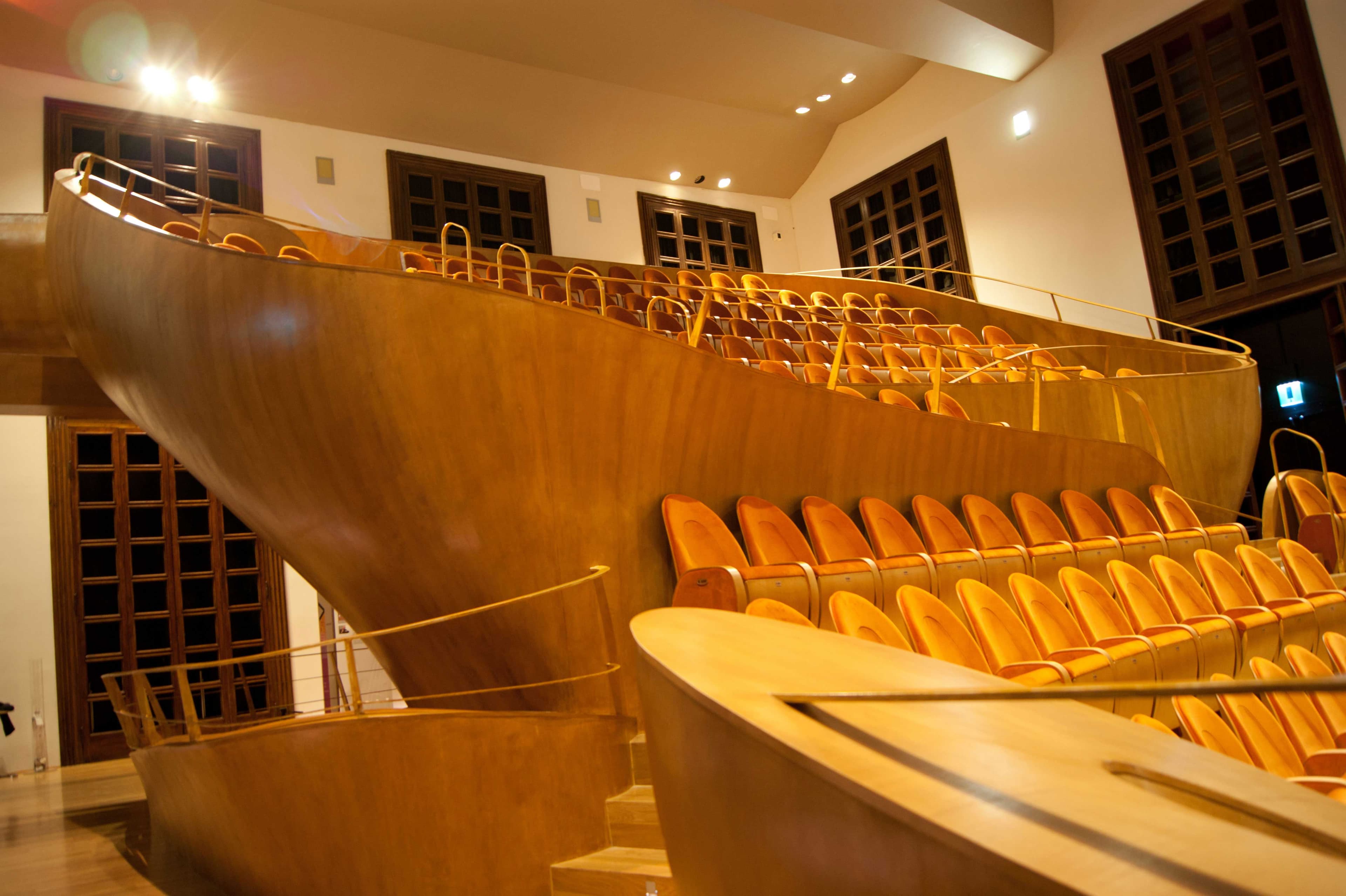
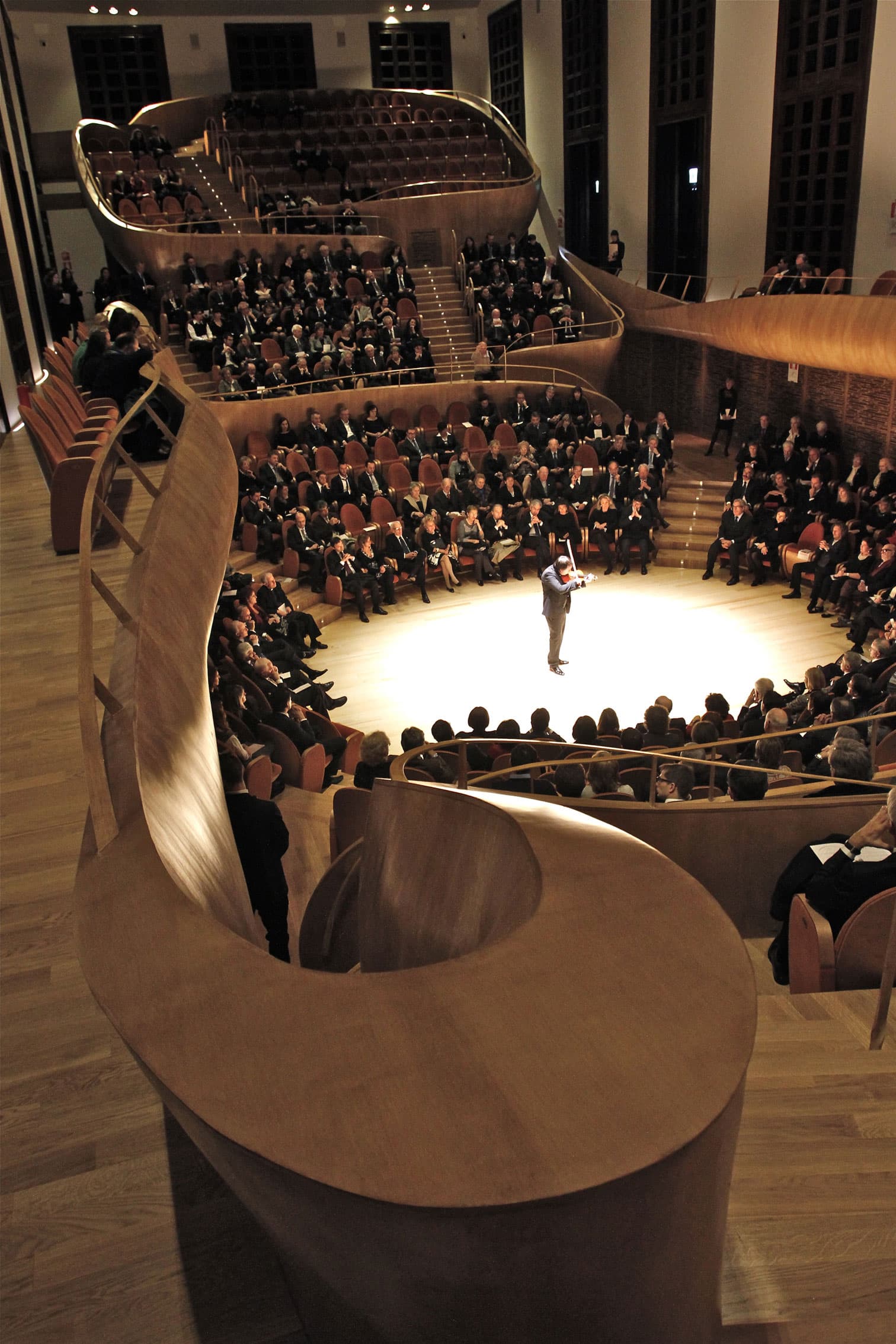
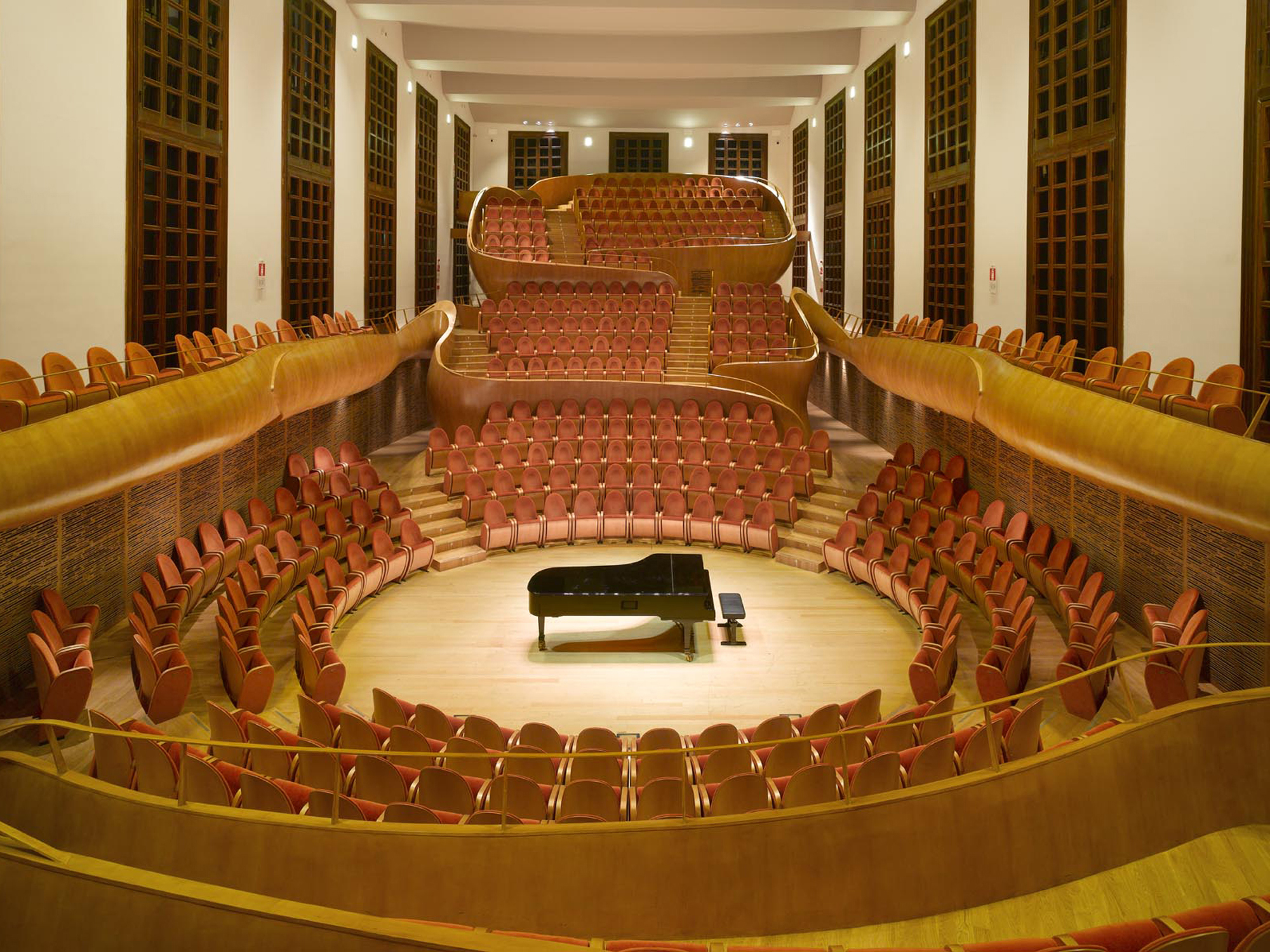
Concert HallThe architecture is made to excite, but the acoustics, studied by engineer Yasuhisa Toyota also becomes a strong point of the hall. The architecture, which panders to acoustic requirements, takes on a pressing prominence of its own: the evidence of the plastic forms of the volumes builds an expressive architecture, in itself, a fluid structure that evolves seamlessly, with softness of joints, in which everything connects and resumes, in a discursive unity, between calmness and demonstration of strength, parallel to the music that is the protagonist in the Auditorium.
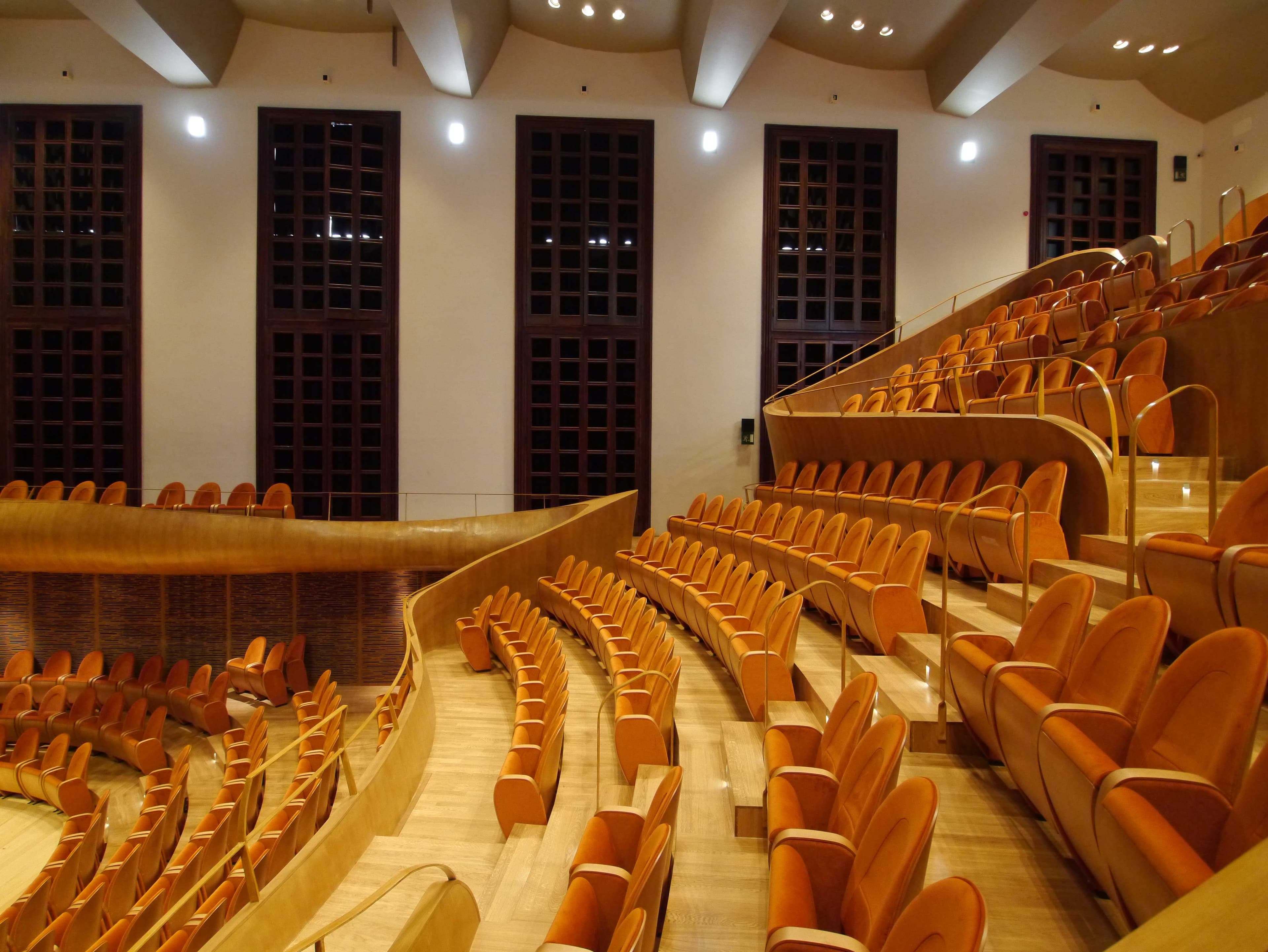
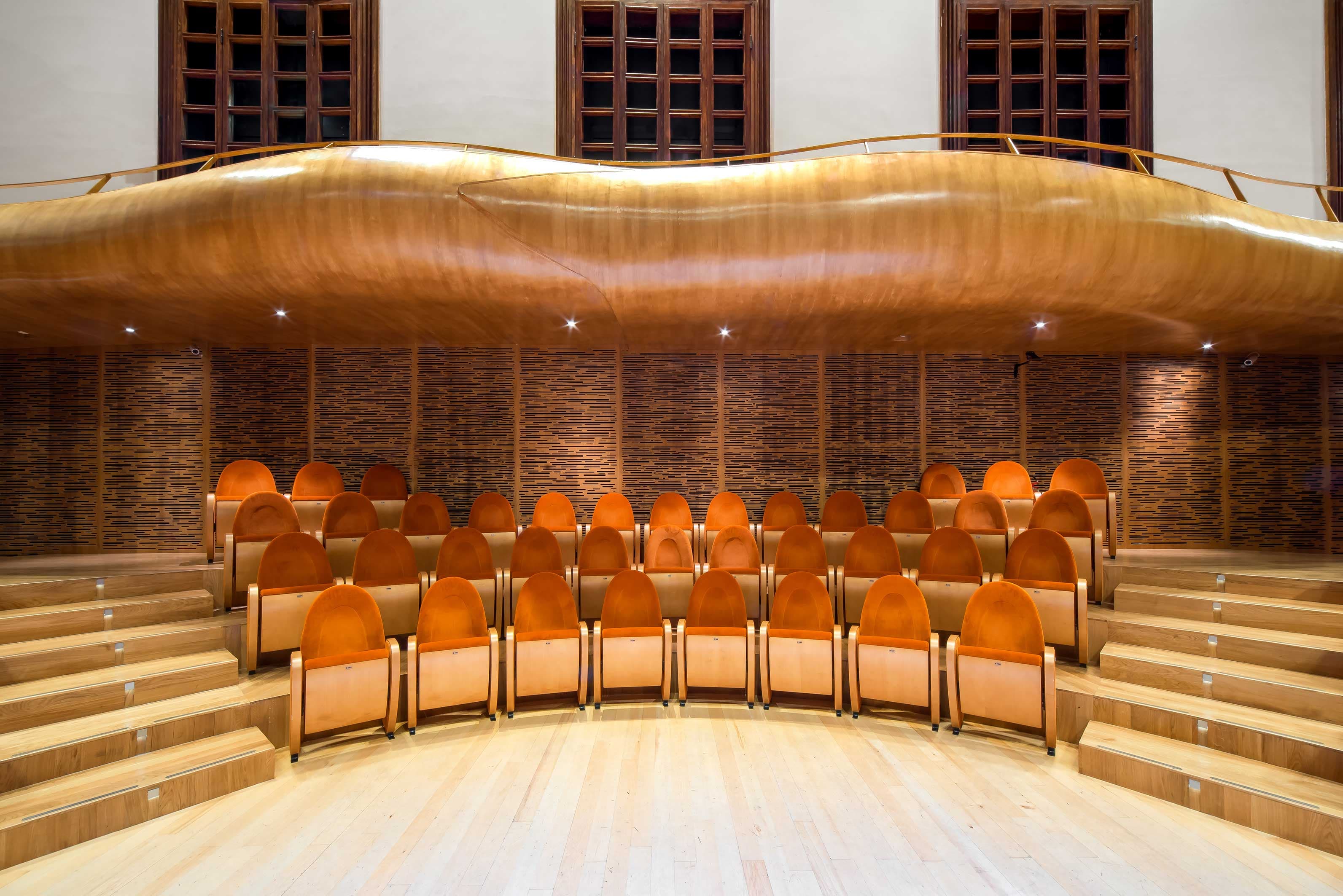
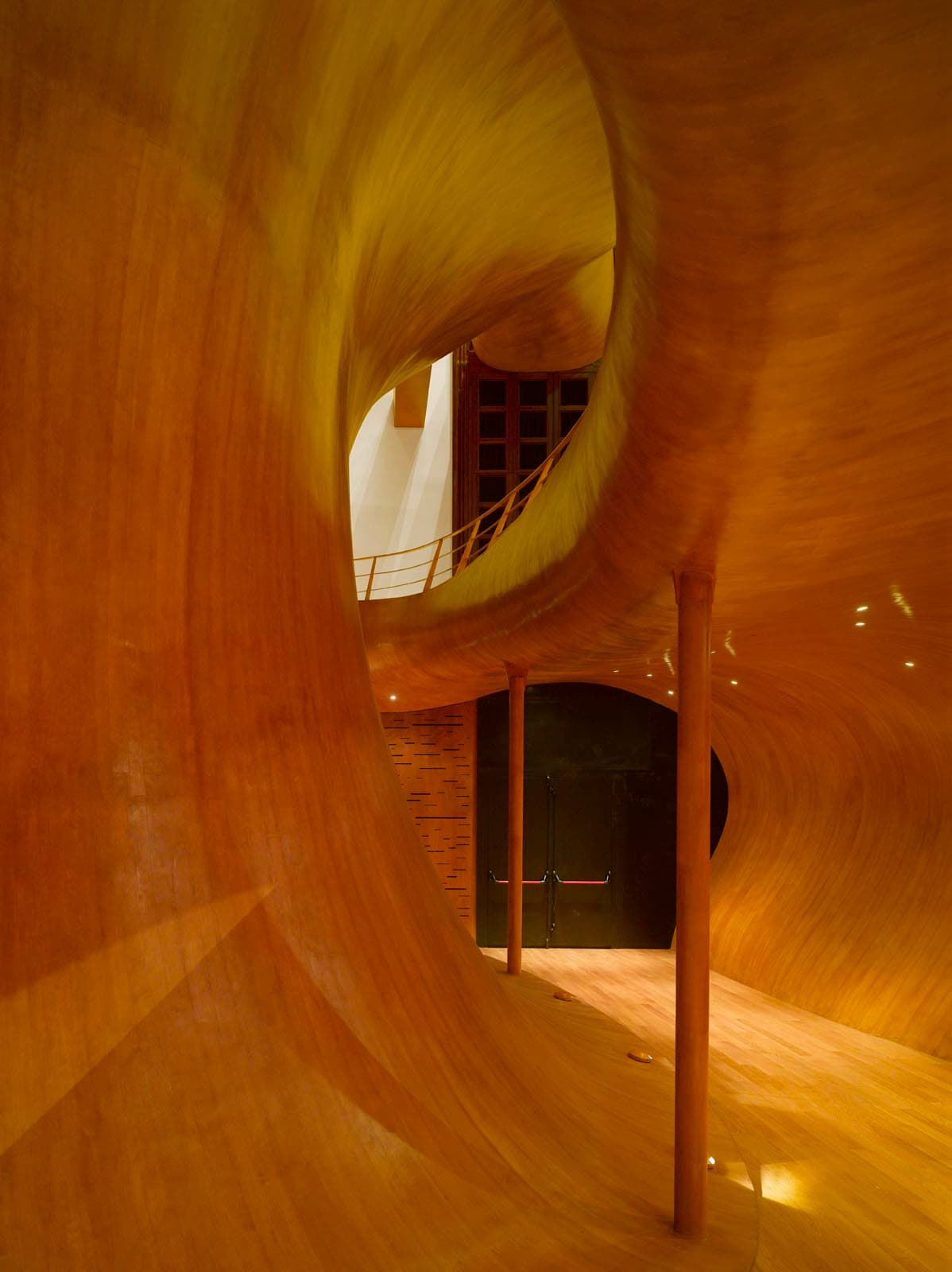
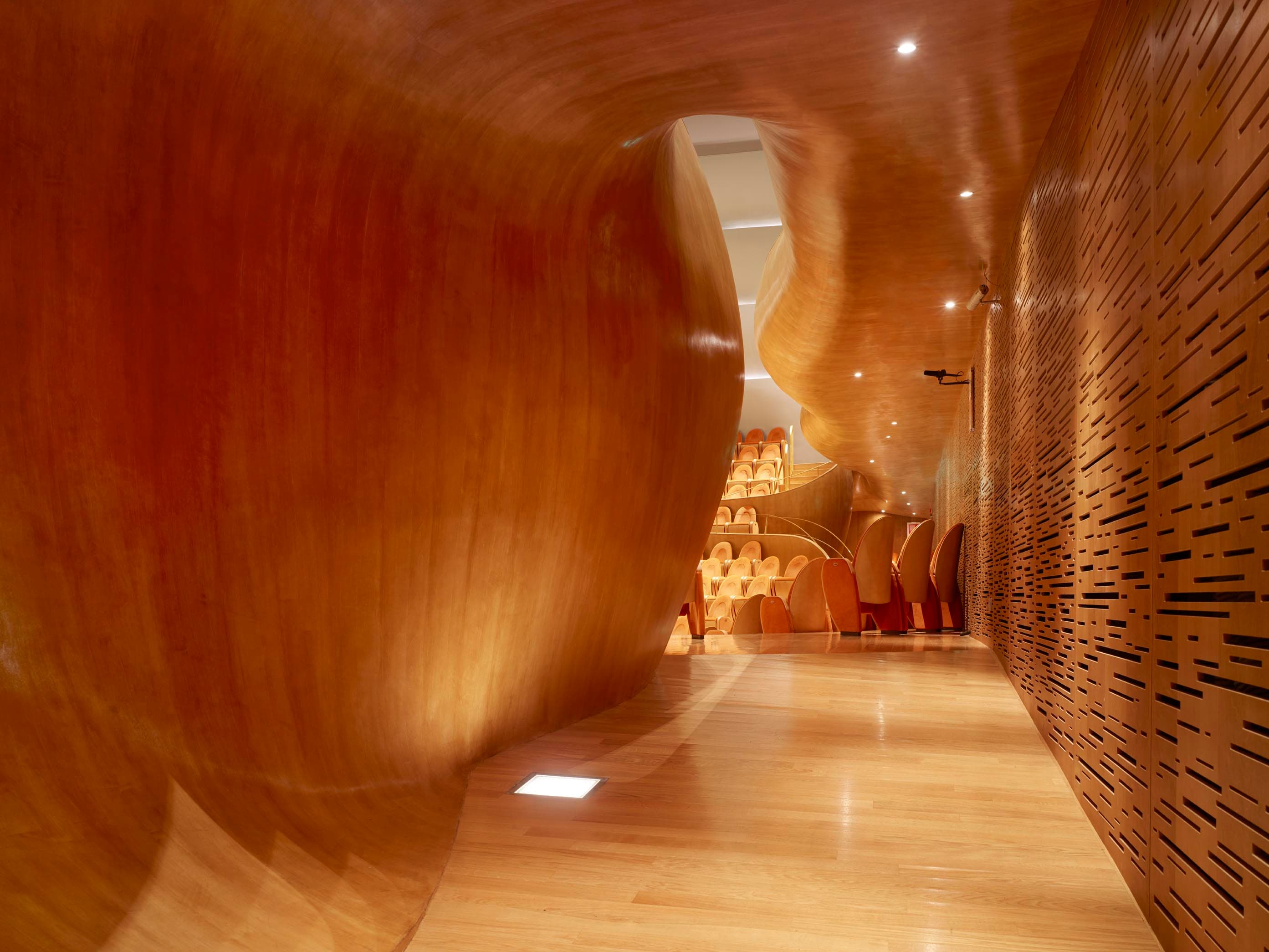
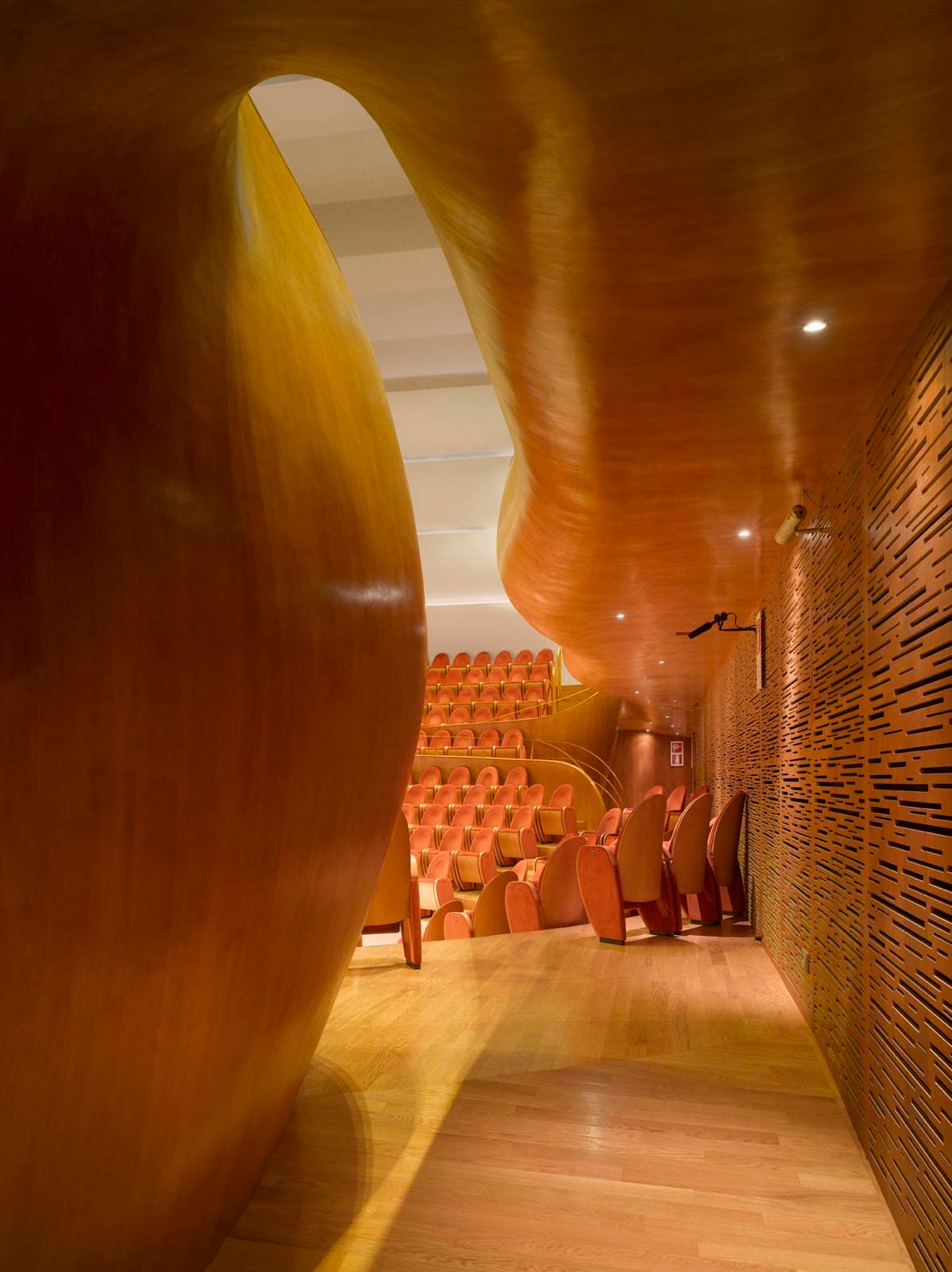
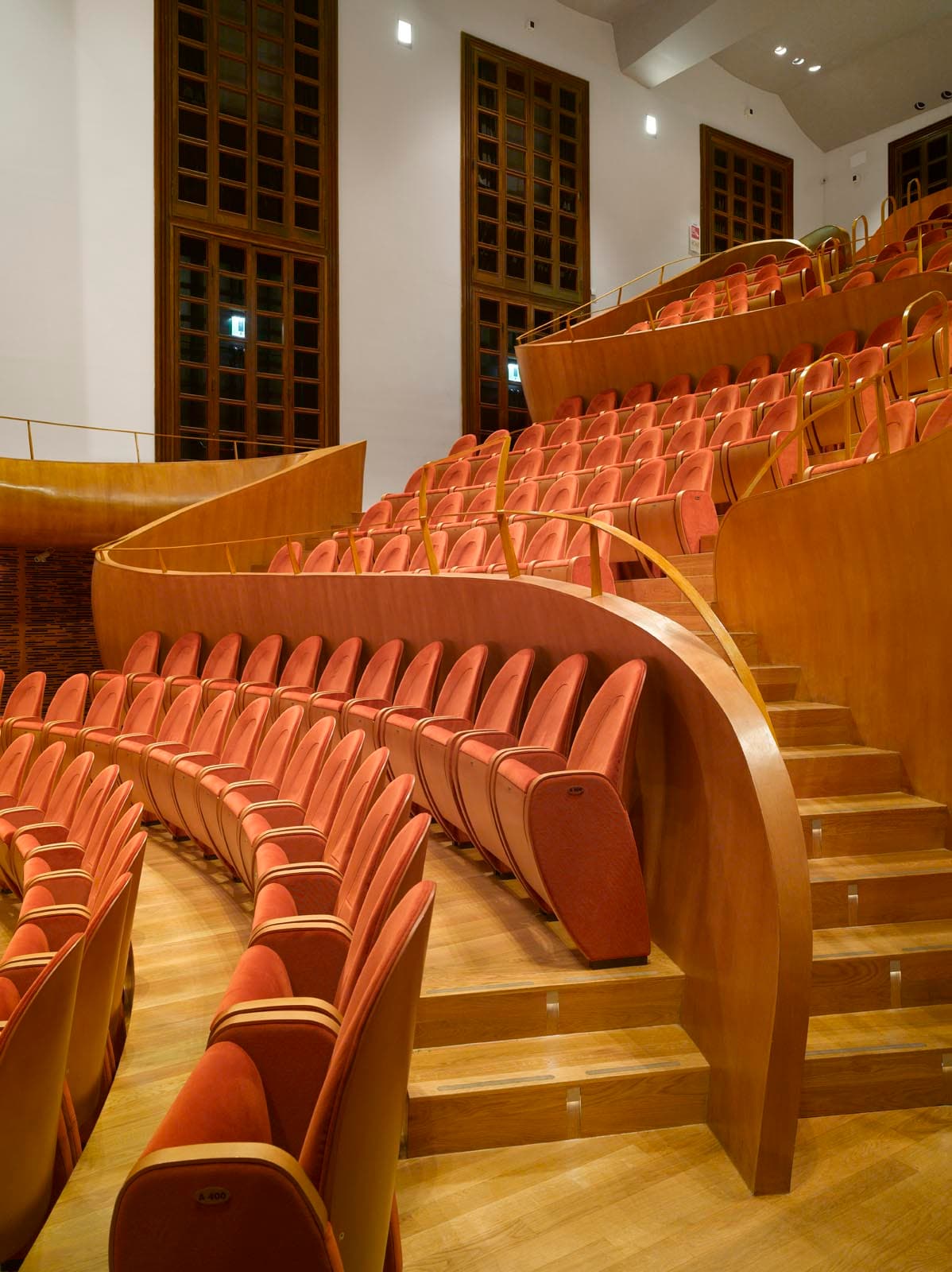
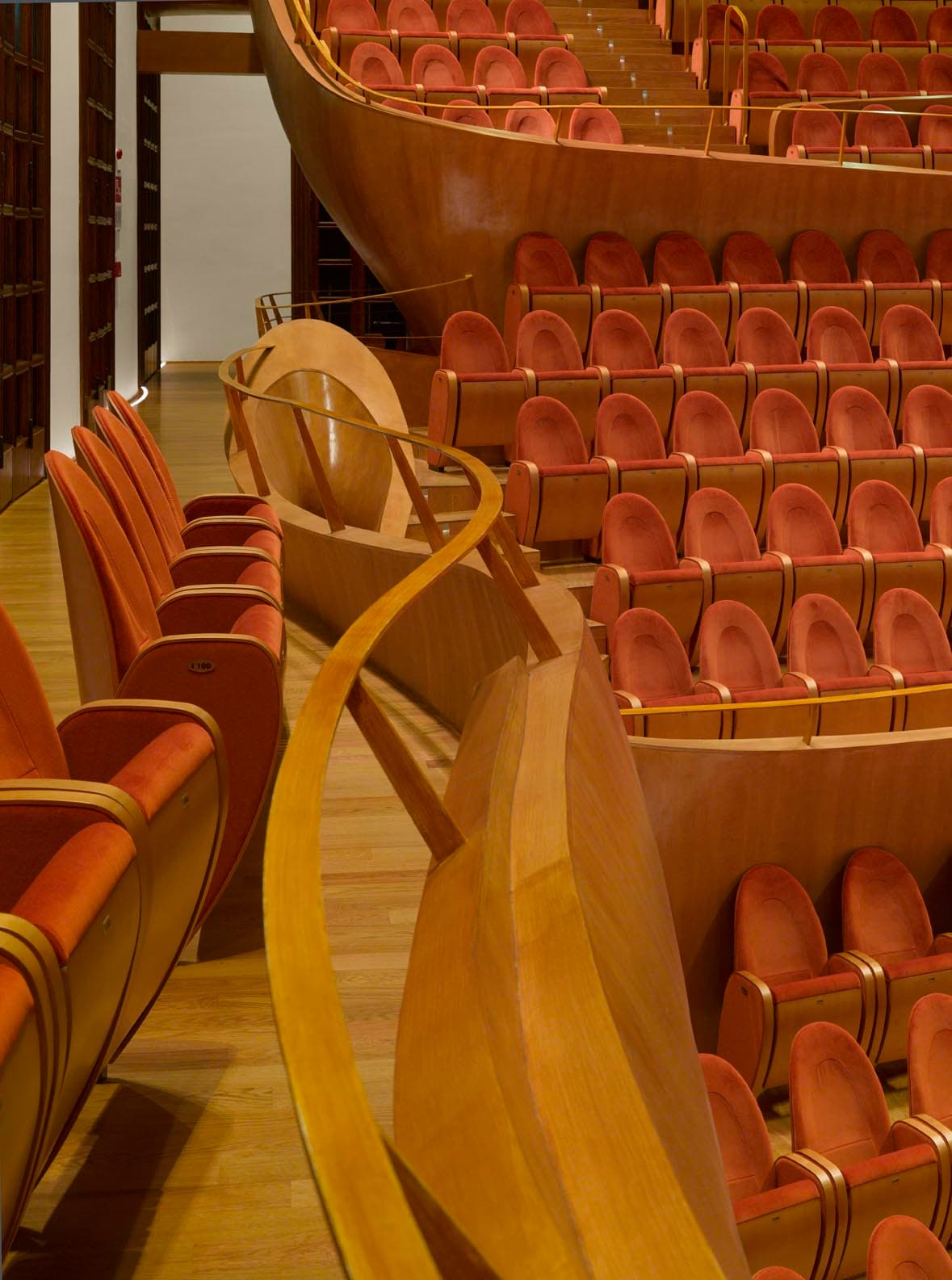
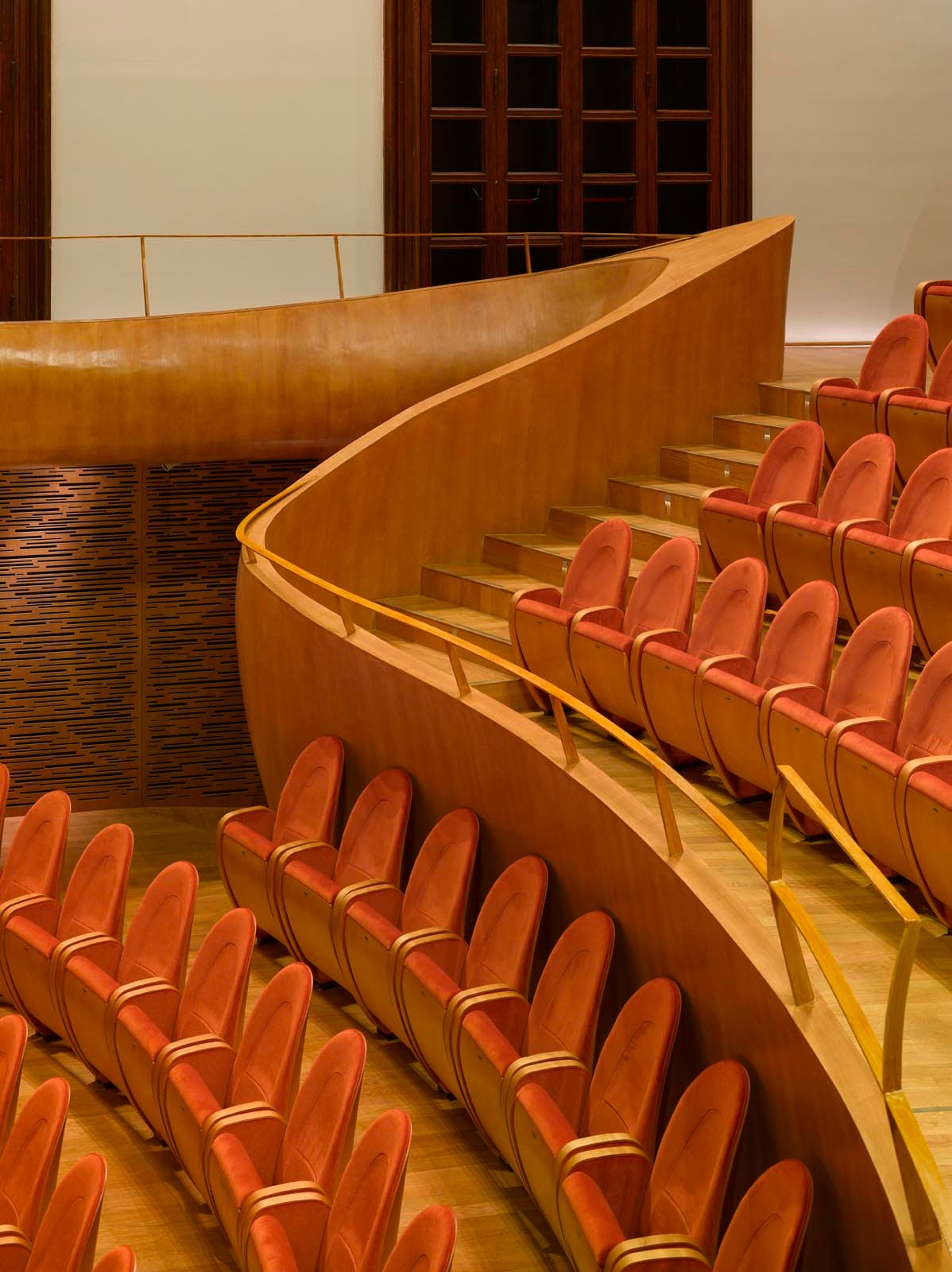
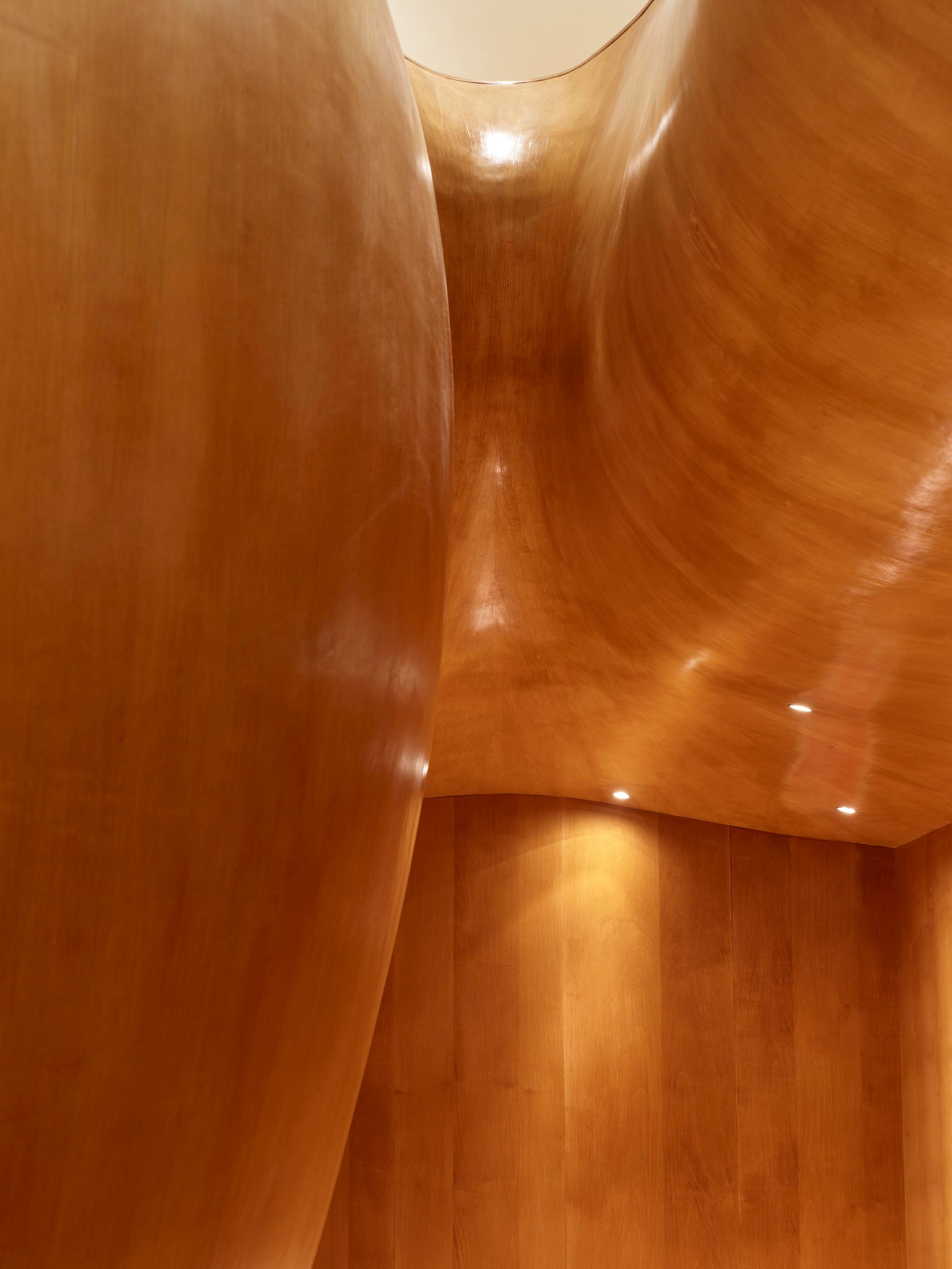
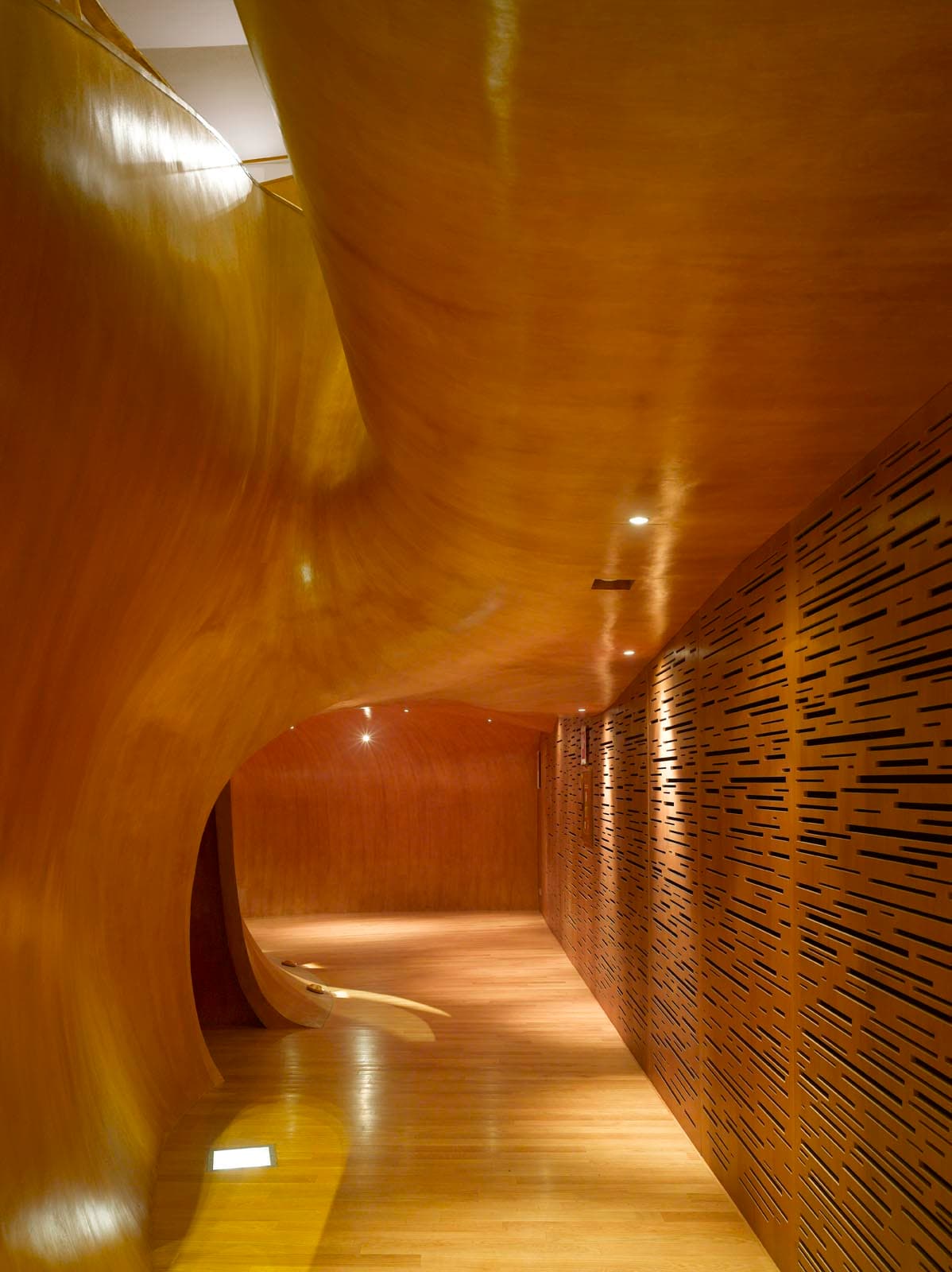
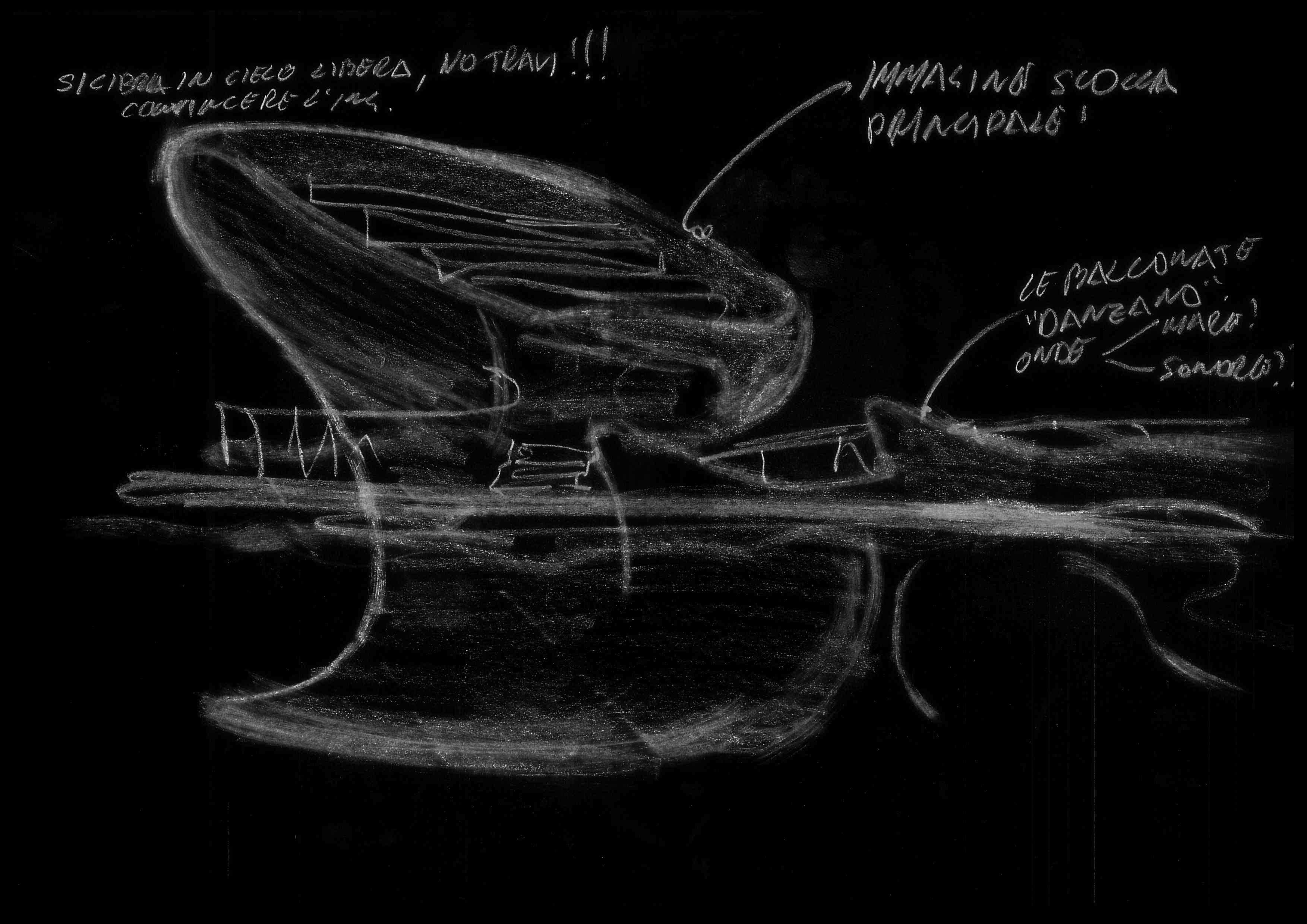
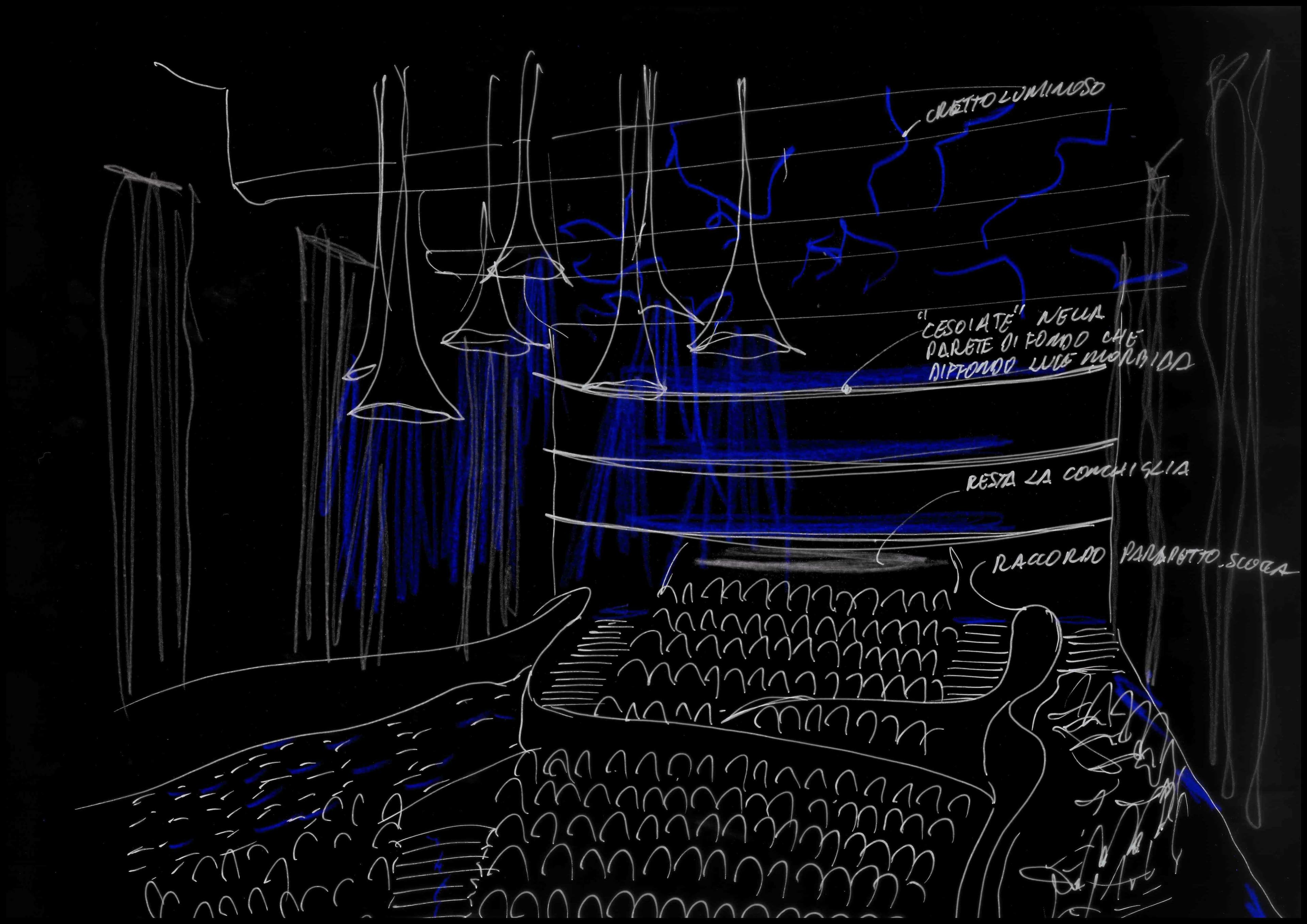
Architecture tries to "capture" sound to translate it into image; music, ephemeral by nature, becomes form, substance: permanent and ephemeral in a timeless dialogue in the place of the celebration of stringed instruments. Fluidity and organicity of architectural volumes, living and palpitating matter that is shaped by following curvilinear traces, contrasting the regular and aseptic definition of the parallelepiped hall that contains the Auditorium, like a box that opens to surprises. An underlying idea: to build by parallel lines an identity between sound and architecture, in the volumes that seem to crystallize sound waves. Concrete waves materialize along the ceiling of the hall.
The acoustic function is integrated with identifications of an aesthetic and architectural nature, to represent in the hall the upper limit of the envelope, in which suffused sensations of brightness chase each other: the upper limit constitutes that difference, in materials and colors, that makes the conception of the Auditorium more precious, a place in which sound and architectural invention are embedded. A place of multiplicity, surprise and wonder: mechanisms of an architecture that is built by combining softness and fullness of materials (concrete, hidden steel mesh, wood cladding), is defined in the fluid concatenation of volumes in which soft curves and narrow radii are emphasized, making surfaces vibrate and veer, an architecture that lives by open and foreshortened visions, by concentration and inventive essence.(ph. Roland Halbe)
The architecture is made to excite, but the acoustics, studied by engineer Yasuhisa Toyota also becomes a strong point of the hall. The architecture, which panders to acoustic requirements, takes on a pressing prominence of its own: the evidence of the plastic forms of the volumes builds an expressive architecture, in itself, a fluid structure that evolves seamlessly, with softness of joints, in which everything connects and resumes, in a discursive unity, between calmness and demonstration of strength, parallel to the music that is the protagonist in the Auditorium.
Architecture tries to "capture" sound to translate it into image; music, ephemeral by nature, becomes form, substance: permanent and ephemeral in a timeless dialogue in the place of the celebration of stringed instruments. Fluidity and organicity of architectural volumes, living and palpitating matter that is shaped by following curvilinear traces, contrasting the regular and aseptic definition of the parallelepiped hall that contains the Auditorium, like a box that opens to surprises. An underlying idea: to build by parallel lines an identity between sound and architecture, in the volumes that seem to crystallize sound waves. Concrete waves materialize along the ceiling of the hall.
The acoustic function is integrated with identifications of an aesthetic and architectural nature, to represent in the hall the upper limit of the envelope, in which suffused sensations of brightness chase each other: the upper limit constitutes that difference, in materials and colors, that makes the conception of the Auditorium more precious, a place in which sound and architectural invention are embedded. A place of multiplicity, surprise and wonder: mechanisms of an architecture that is built by combining softness and fullness of materials (concrete, hidden steel mesh, wood cladding), is defined in the fluid concatenation of volumes in which soft curves and narrow radii are emphasized, making surfaces vibrate and veer, an architecture that lives by open and foreshortened visions, by concentration and inventive essence.(ph. Roland Halbe)